I noticed an article that wrote of Russia using Mosin rifles in Ukraine. The 1891 Mosin may be a little outdated – but it is a common rifle with a lot of variants. One is the “US Rifle, 7.62mm, Model of 1916.” 280,000 were purchased by the US government, and some used by American troops in Murmansk and Archangel in 1918 – yes, we really did invade Russia. Silver Parish’s diary was published and provides a readable record of the event.
Years back, we picked up some surplus Finn Mosins – if memory serves we sold them for a little under $40 each back in the eighties. They were kind of fun to clean up – when disassembled, it looked like the Finnish armorers couldn’t resist the opportunity to try make them a little more accurate – mostly floating the barrels and a bit of muzzle work.
One rifle was not just different – it was a lot different. Instead of the standard dog collar sling attachments, its sling attachments were normal. When I removed the barrel from the stock, there was a surprise on the bottom:
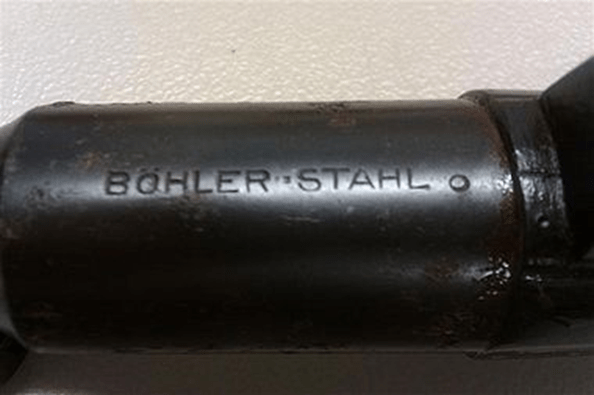
Turned out that the BOHLER – STAHL stamp was the only clue I needed – this was one of the rare 1924 Lotta’s rifles. Figure it was the first SAKO. The stamp on the barrel showed that the barrel was replaced with one that was purchased by the Lotta Svard – the women’s auxiliary of the Finnish Civil Guard.
The LottaKivaari – Lotta’s Rifle in Finnish – shot, even with old surplus Russian Ammo. It was a fun afternoon – since the bottom sight setting for the Lotta was 200, I set my targets at 200 yards. This turned out to mess with my results a little – the 200 meant meters. The non-modified Russians were set at 200 – but that meant arshins, a Russian unit of measurement meaning those sights were set at 155 yards. Lotta did better at 220 yards than the unmodified rifles did at 155. As you can see – Lotta is visibly different than the unmodified 1891 Mosin.

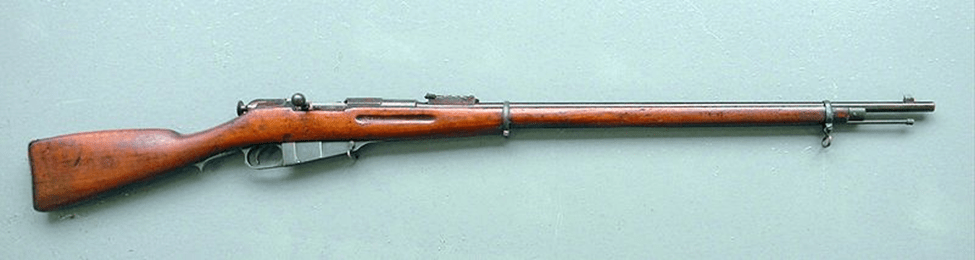
According to Model M24 Mosin Nagant rifle Information (click the link – I’m just sharing a little of the data available there)
“ The diameter of the barrel was increased by approximately 1mm to improve accuracy. These were produced with a “stepped barrel” near the muzzle to accommodate the standard bayonet. The M24 barrels are undated and have the Finnish Civil Guard crest, an S topped with three fir sprigs in a shield, on top of the chamber.
Included at this time were changes made to deepen the barrel channel in the forestock; a deeper handguard inlet; and also an improved trigger with a coil spring added to take up trigger slack and improve trigger pull. These design changes were instituted in mid 1925. Many rifles were also fitted with a cross bolt through the forestock just behind the nose cap to retain the front barrel band. This was done so the barrel band could be left loose thereby eliminating a pressure point on the barrel and increasing accuracy. Eventually the Finns did away with this modification in favor of using small wood screws to secure the loosened barrel bands.
Assembly of the M24 was done at Suojeluskuntain Ase-ja Konepaja Osakeyhtiö, the Finnish Civil Guard workshop that eventually would become known as SAKO. Funds for the refurbishment of the M24 rifles was raised by the civil guard women’s auxiliary known as the Lotta Svard. The M24 was nicknamed “Lottakivaari” or “Lotta’s rifle” by troops that carried it into battle in at least three wars.”
Townsend Whelen said “Only accurate rifles are interesting.” He just might have liked Lotta’s Rifle. Lotta’s rifle is interesting – both in accuracy and history. Picture, if you will, the ladies auxiliary raising money to fund new barrels for the militia rifles. I never shouldered the rifle without thinking of bake sales to build better rifles.
And yes – Lotta still shoots well . . . and the 1905 Czarist rifle that was the best stock Mosin 35 years ago still does a good job if I remember how long an arshin is.
 Trego's Mountain Ear
Leave a comment