Latest
-
Been Watching the News About Ilhan Omar
First of all, I’m glad she graduated from NDSU – we had a lot of Minnesotans going to college at SDSU, and it gratifies me no end that she’s a Bison. We graduated a lot of Minnesotans, but at least Ilhan is no Jackrabbit. I think we still have states where first-cousin marriages are legal – but I don’t think she could have legally married her brother even in Alabama. Kind of suspect that’s a little too close in Somalia, too. Could create some downright strange Thanksgiving dinners. What I’m wondering about is her Congressional Pension – she entered Congress…
-
-
-
-
This past Summer, my daughter bought herself a mini excavator. It’s cute. It has the same Briggs engine my sawmill has – and, having spent 15 years at South Dakota State University, I have a special place for Briggs & Stratton. The engines started there. I knew Hilton Briggs – the university’s former president and…
local
-
We started the Mountain Ear (both times) because we wanted better coverage of local news. There are so many board meetings, and all of them are important. The Tobacco Valley News faces the same problem we do- not enough people and too many meetings, and their focus is on a larger area. So we started…
-
An emergency meeting of the Trego school board was called again on May 4 at 4 PM to update the community on the methamphetamine contamination of the school grounds.. Although the meeting was poorly noticed, there were nearly 40 community members in attendance, these included parents, teachers, former students and teachers and interested community members.…
-
Earlier this week, a meeting was held to formalize the existing long-term relationship between the TFS Community Hall and the TFS Fire Department. Tables were set to form a circle, and the meeting began with introductions. It was a joint meeting meant to prevent future problems, without any reason to expect them. The issue: an…
-
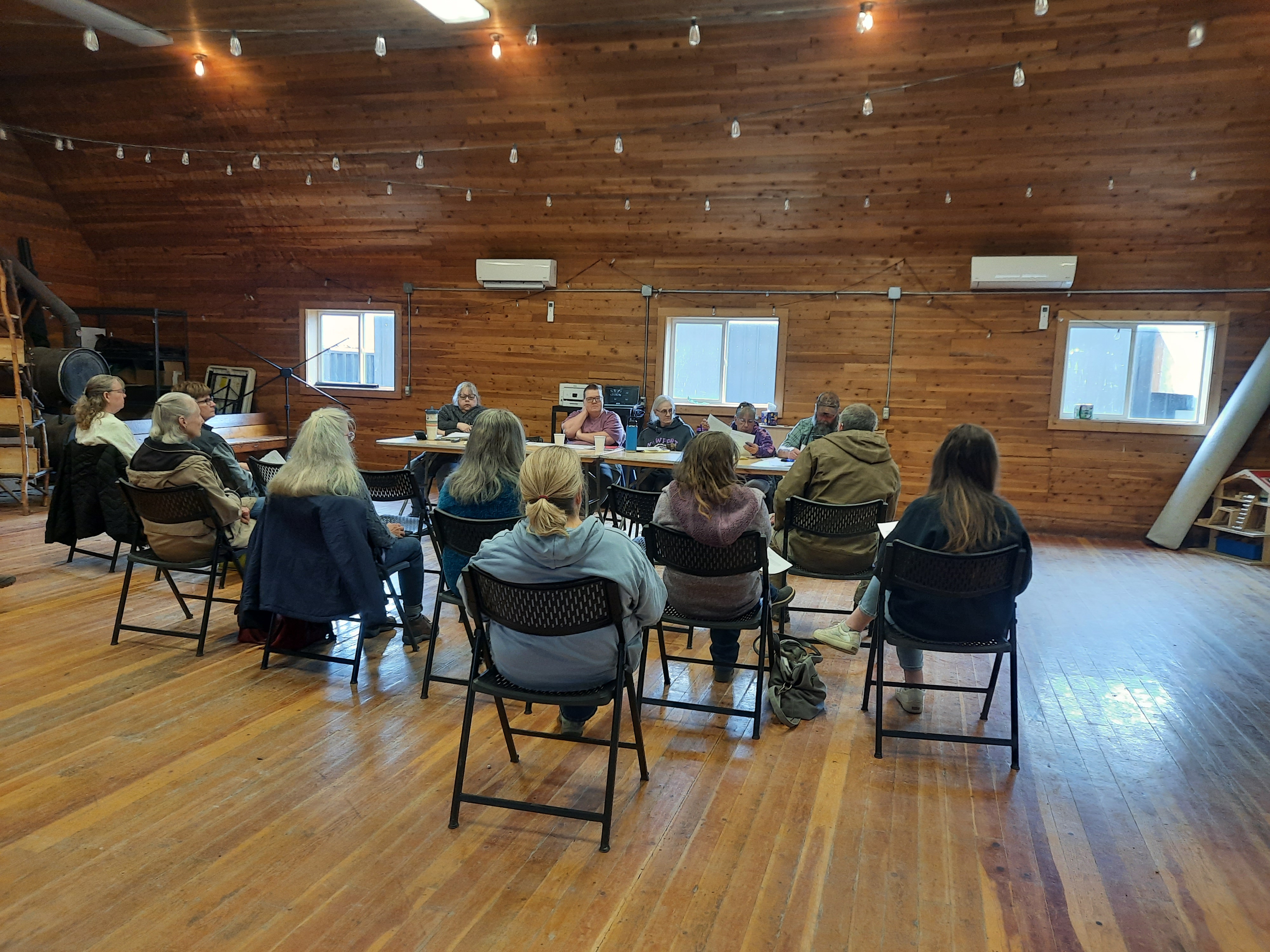
An emergency school board meeting was held at the TFS Community Hall, Saturday at noon (which coincidentally is the time the Rendezvous Parade in Eureka began). The board acknowledged that they failed to provide adequate (48 hours notice) on the meeting, and cited the requisite MCA code allowing it in the event of an unforseen…
-
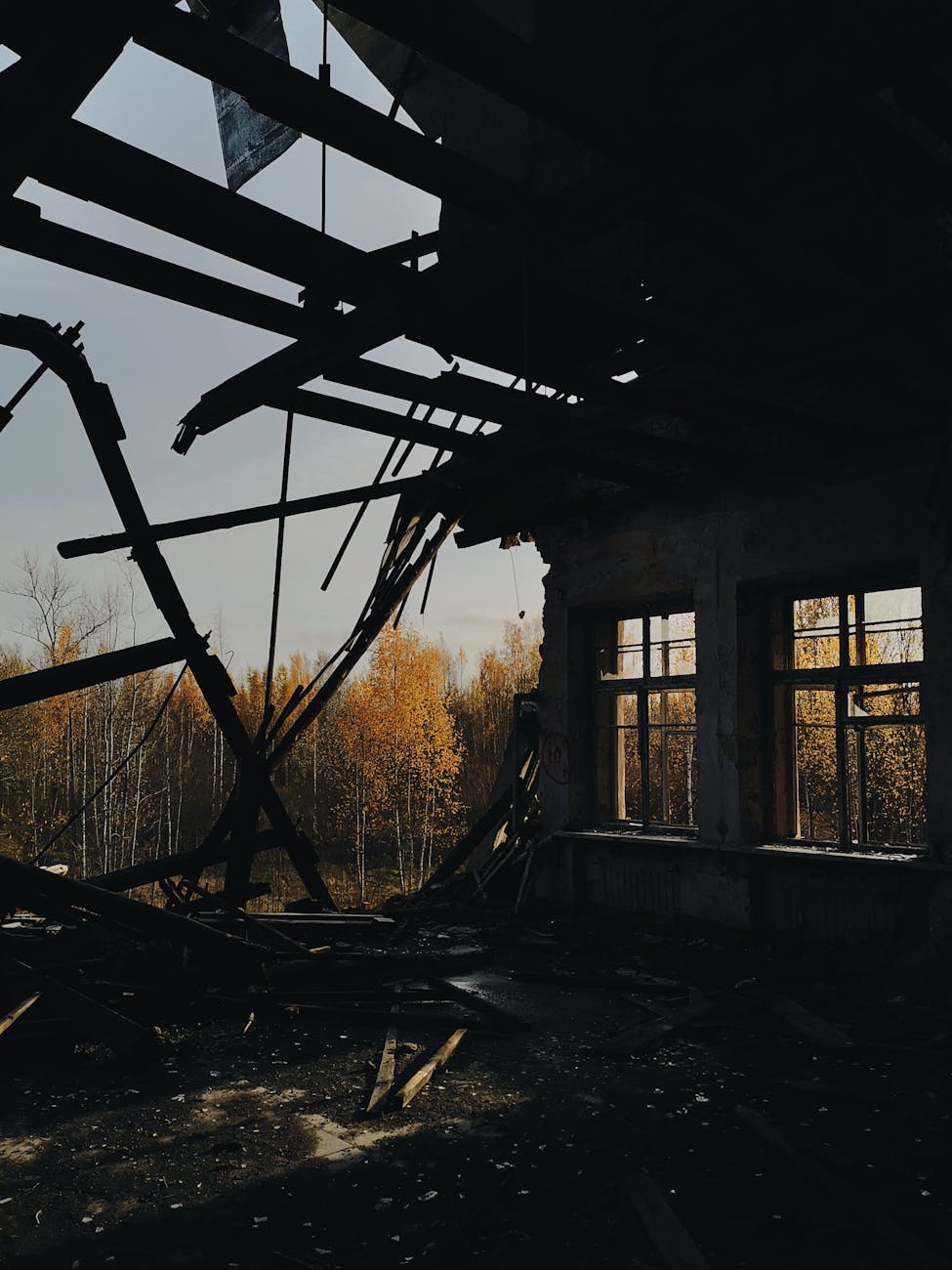
When I went to get some repair work done, the person I was consulting advised fixing the structural issues and then putting the same ancient dilapidated siding back on the building. The rational? Property taxes. Last summer, we joked about how much the nice flowers my mother had on their porch raised their taxes. They…
-
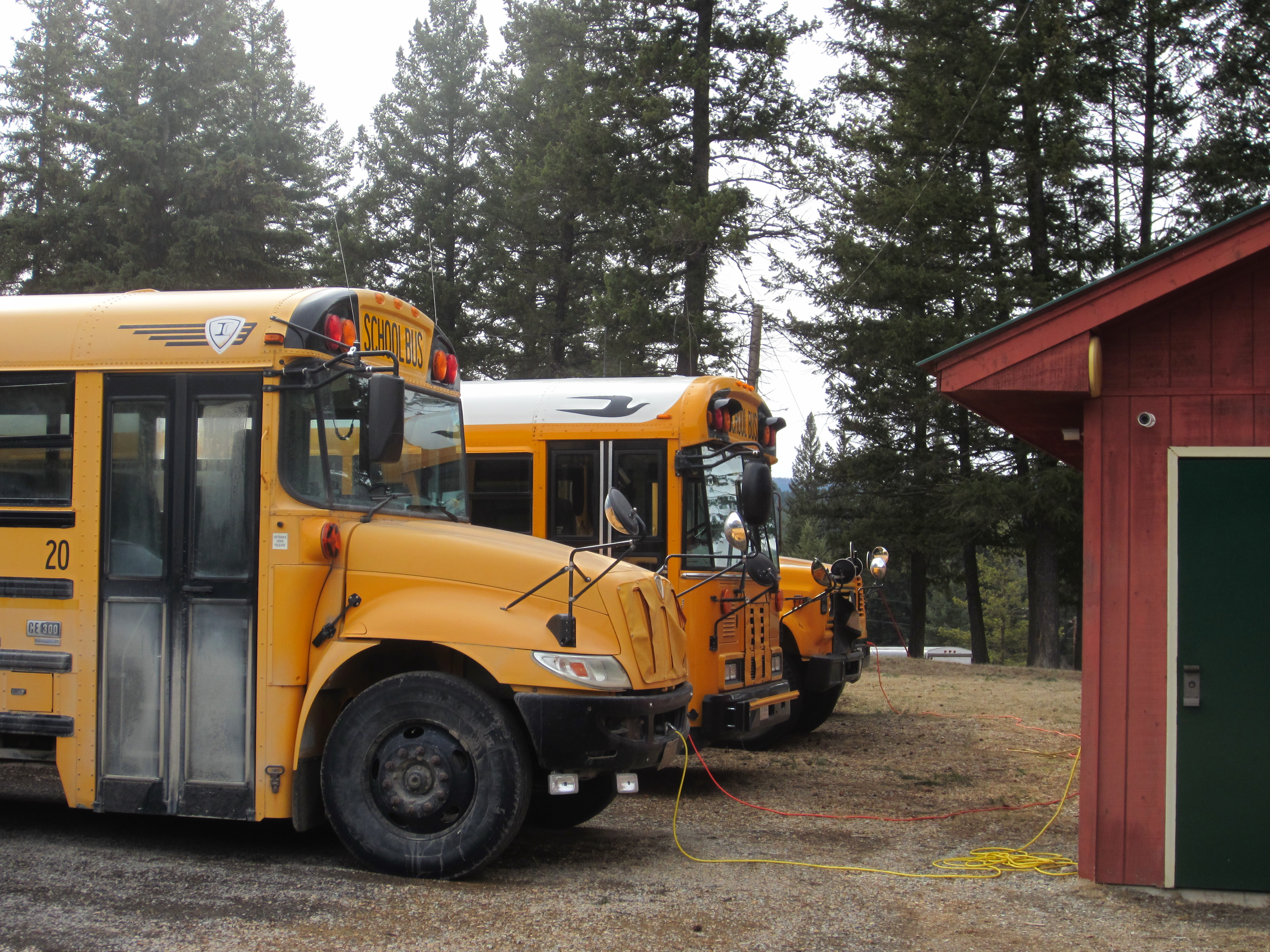
I spent most of a year away from the school after I finished my term. I attended a couple of board meetings because I was asked – on one hand, there was, at the least, the appearance of an unlawful board meeting . . . unlawful because it appeared to violate Montana’s open meeting law.…
-
Historically, independent voters, and voters for minor third parties, do not get a large percentage of votes. Often, they’re considered “spoiler” candidates, who lose the election for someone by dra4wing critical support away during a close race. Or their thought of as simply “protest candidates” with no chance of winning. In Montana, for the presidential…