Weather is warmer and everything is starting to come out again. Since I have an entomologist to pester- here’s what he’s had to say:

Wasp control
I’d wanted to talk about how to read wasp body language this week, but that’ll be postponed. I couldn’t persuade any individuals to do threat displays this week – all live wasps were well-mannered, despite extreme invasion of their personal space. Most of the wasps I’ve seen around Trego are Polistes paper wasps. We have two main species here – the invasive European Paper Wasp (Polistes dominula) and the native Golden Paper Wasp (Polistes aurifer). In our area, Golden Paper Wasps peak in July, while the European Paper Wasps peak in August. While both are still around, I’ve…
Keep reading

Tick diseases in Montana
Spring has sprung, and our first ticks are out and about.When folks start talking about illnesses transmitted by ticks, the first to come up almost always seems to be Lyme Disease. While Lyme Disease is the most common tick-borne disease among Montanans, you don’t need to worry about picking it up around here – it tends to be something folks pick up on vacation. The Black-Legged Tick, also known as the deer tick, is the primary culprit responsible for transmitting Lyme Disease. Black-legged ticks are not found in Montana – they are, however, found all across the eastern…
Keep reading
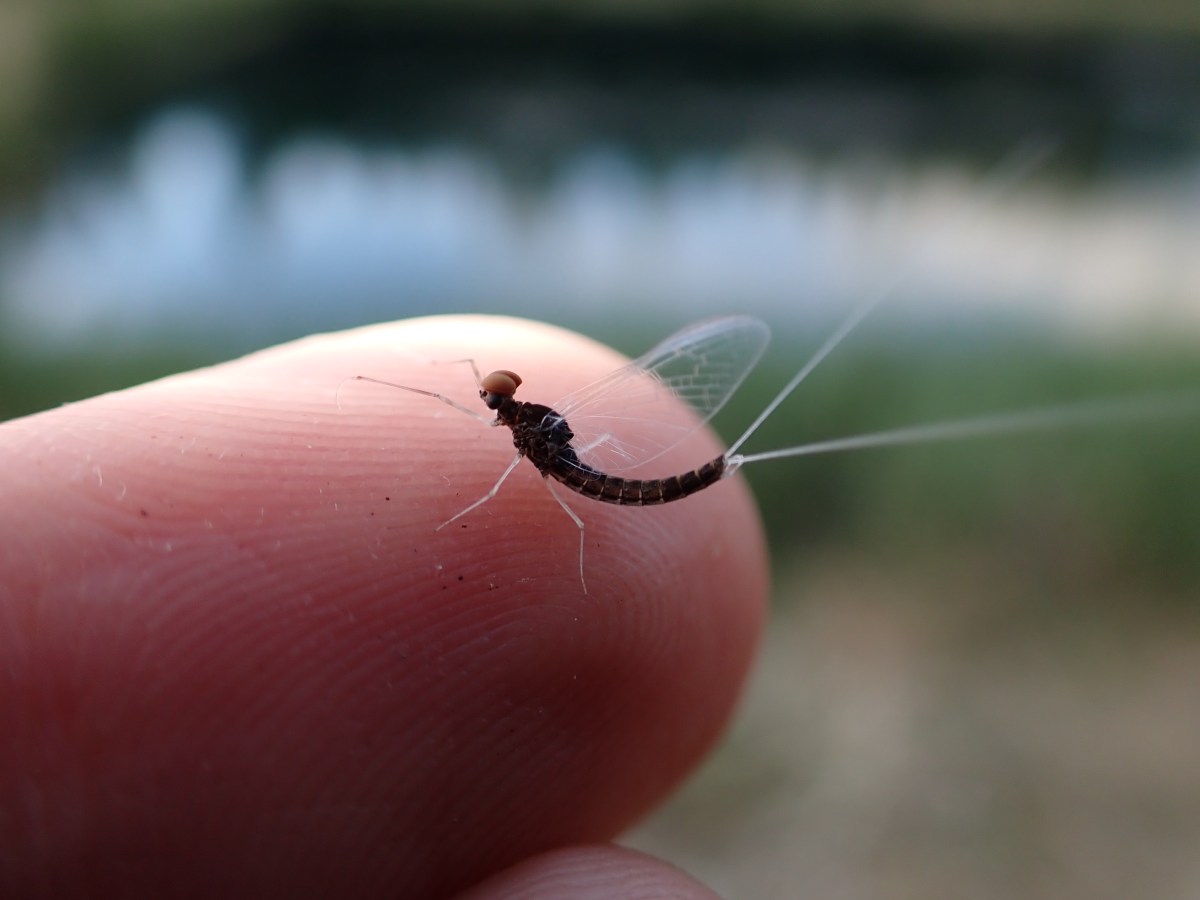
Mayflies
True to schedule, the mayflies have returned. Of course, the mayflies didn’t wait for May proper… they’ve been with us for the past month at least. Here’s the shed skin of one I watched emerging this past week. Note the three tail filaments – this is how you can tell it is a mayfly skin. Our pond tends to have the smaller species of mayflies in good abundance – primarily genus Callibaetis. Here are some higher-quality photographs of other mayfly nymphs, so you can get a sense of the variety. All mayflies belong to Order “Ephemeroptera”, which is…
Keep reading
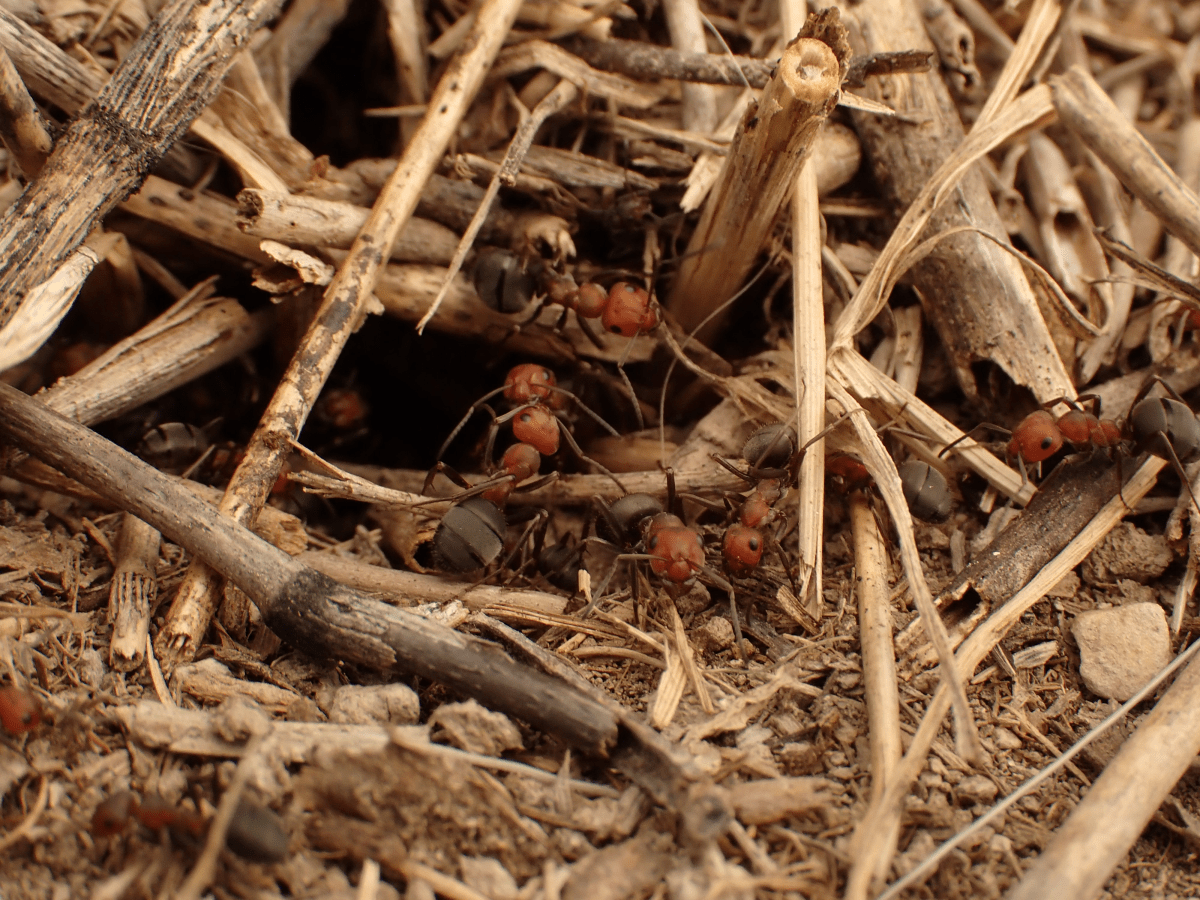
Thatch Ants
Our mound-building ants in this part of the country are Western Thatching Ants, Formica obscuripes.These ants are rather special because they generally have multiple active queens in a single colony – the young queens often help out and reproduce at home, instead of founding their own new colonies…
Keep reading
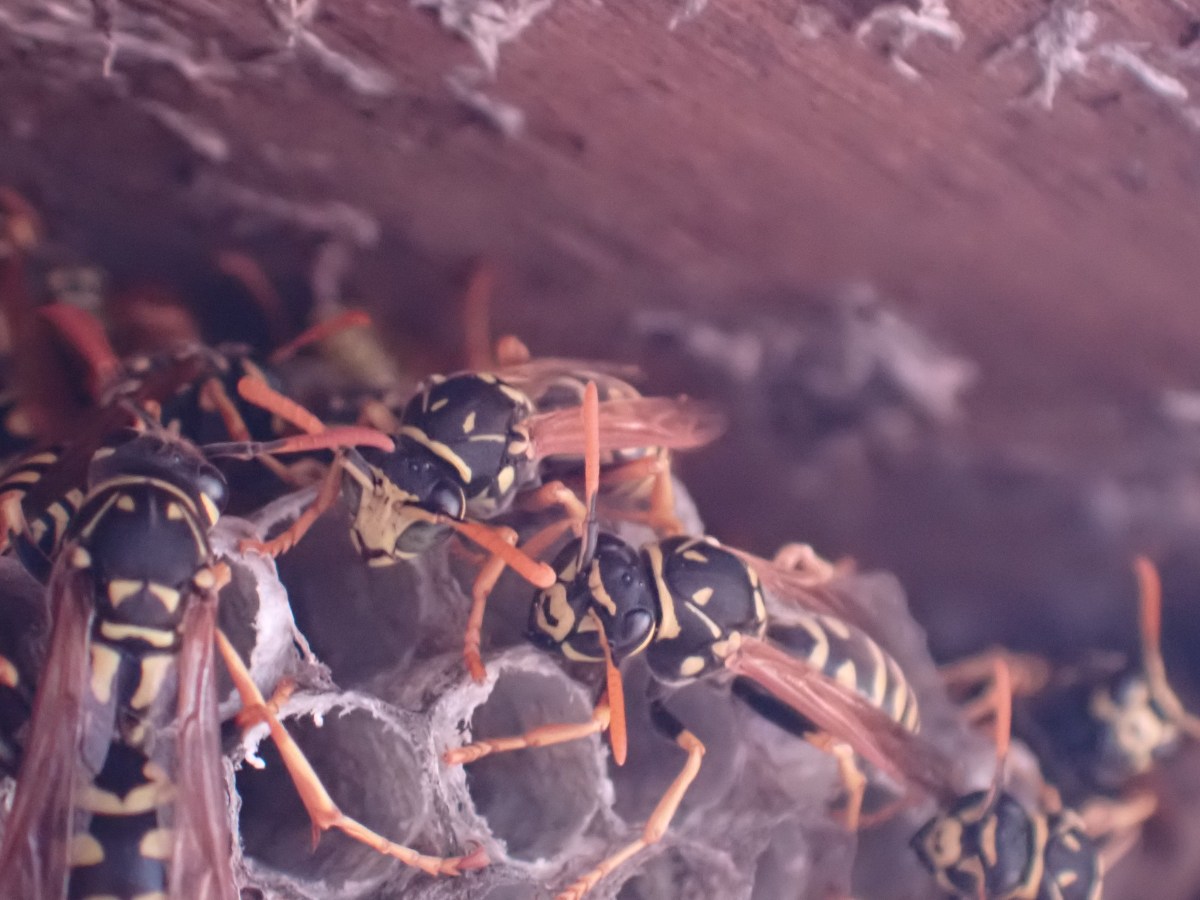
Paper Wasp Body Language
If you know what signs to look for when you meet a wasp, it’s easy to avoid being stung. Have you ever been buzzed by a bee or a paper wasp? They dive bomb you, fly close to your face, even collide with you, but without stinging? Those were probably sentries for a nest, trying to keep danger away. Sentry wasps can be stationed 10 to 20 feet away from the nest they’re guarding, and circle back to it from time to time. These wasps are the ones you’re most likely to come into conflict with. Yesterday, I…
Keep reading
 Trego's Mountain Ear
Leave a comment