A drive to Kalispell shows the narrow passage between stream and stone as you travel past the Point of Rocks – a term that preceded the restaurant that burned several years ago. You can note it as you drive between Eureka and Olney – a place where the rock wall almost pushed the early travelers into the Stillwater River. The first ten years of the 20th Century opened travel to Trego – partially with the railroad pushing a line through from Whitefish to Eureka, where it joined the routes down the Kootenai River from Canada.
For Trego, commercial transportation began with the Splash Dam on Fortine Creek – built around 1905, and last used in 1954. The remains of the dam are about a mile south of Trego School, on the Dickinson place. This photo, from 1922, gives an idea of Trego’s early history. (Note the logs along the bank, waiting for the next flood to transport them to the mill in Eureka)

I recall my grandmother’s concerns about playing by the creek – and hadn’t realized that the final use of floods to transport the logs occurred when I was four or five years old. And that memory brought the message home that most folks who live here don’t know just how important the dam was in settling Trego.
A dozen years after the dam was built, Trego became the site of labor unrest. ‘Big Daddy’ Howe ran the lumber company in Eureka, and the laborers who ran the logs down Fortine Creek and the Tobacco River were unionizing – chief among their demands was a call for hot showers as part of the working requirements.

Their 1917 strike grew into a nationwide timber strike, and Howe developed a hatred of organized labor . . . specifically the International Workers of the World, the IWW.
When Waseles died, he was under indictment for torching a logging camp, and for sabotaging the log runs by throwing all the tools he could into the pond behind the dam.
Trego was typecast as a hotbed of socialist wobblies for many years by Eureka’s elites – a view that diminished rapidly with the many union jobs that came into both communities with the railroad relocation that accompanied Libby Dam in the sixties.
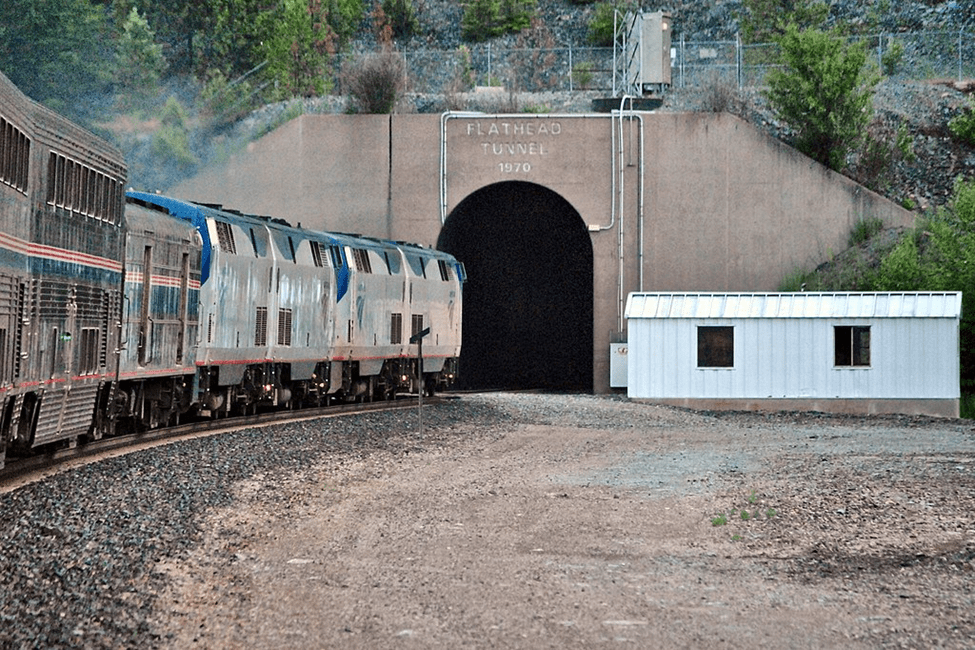
The logging dam operated for about a half-century, and was mostly gone by the time the railroad mainline bypassed both Trego and Eureka – but the sounds of the trains still are heard in Trego in the 21st Century. And the Jake Brakes of logging trucks have replaced the floods that moved the logs down Fortine Creek to the sawmills.

 Trego's Mountain Ear
Leave a comment