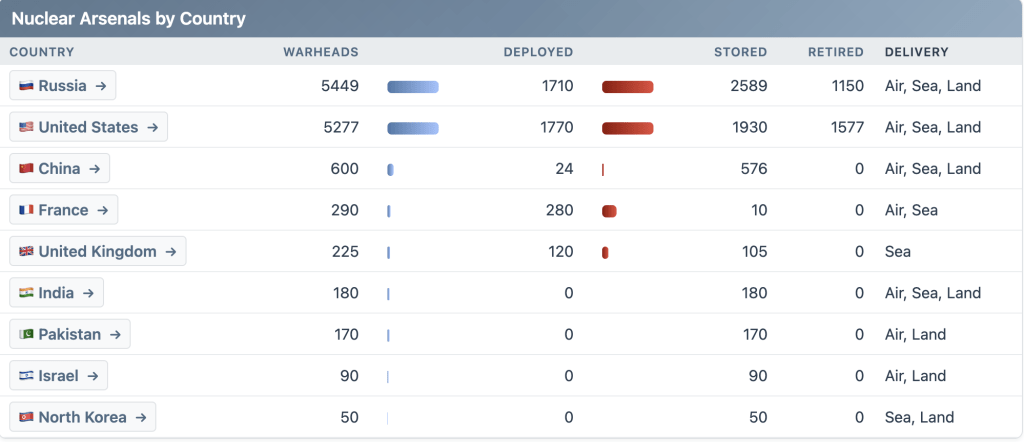


CMBS is the abbreviation for Commercial Mortgage Backed Securities:
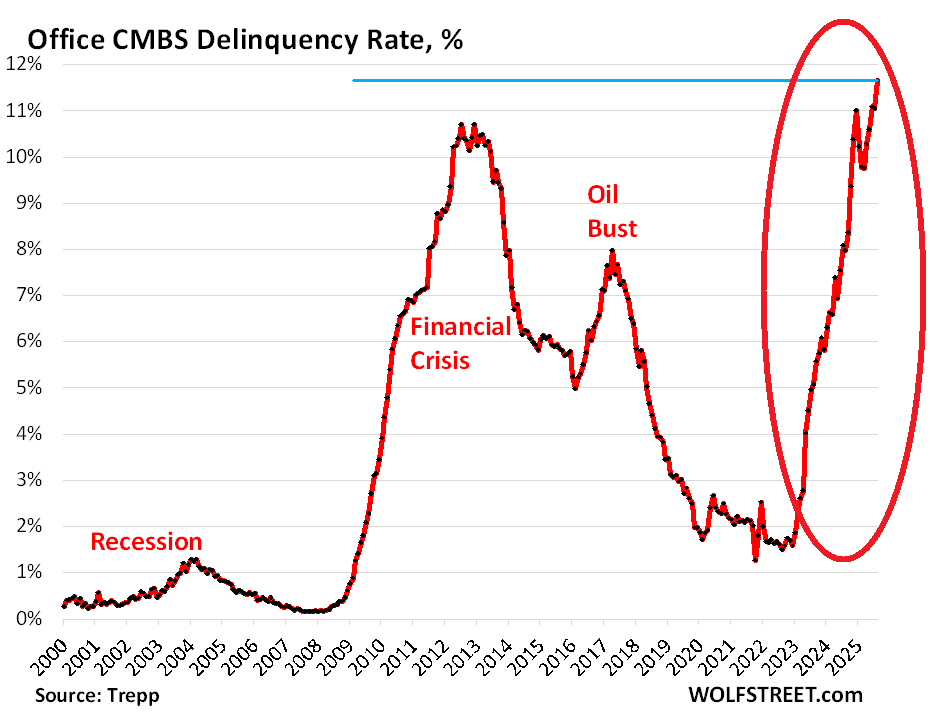

"Serving North Lincoln County"
Around 1945, the Edna Creek School closed. The period between 1945 and 1960 saw Trego reduced from four schools – Swamp Creek, Edna Creek and Stryker closed, leaving District 53 with only Trego School. The technologic transition that consolidated the bantam community’s schools was gravel. The original roads were dirt – but in the Forties the addition of gravel made the roads all season. By 1948, Lincoln Electric was moving and shaking – and, with the addition of gravel roads and electricity, it was no longer necessary to build schools close to the students. The era of school buses and electric lights had replaced the time of four one-room schools in a single school district.
Again, it is a time of social changes rather than impressive individuals – the end of the Forties showed the cooperative effort of clearing land for the powerlines – and that cooperative effort moved into adding the Trego Community Hall to the new 3-classroom school that replaced the log school that had burned. Three classrooms, electricity, an electric stove, and running water that replaced the outhouses (though the school board kept the outhouses until 1965, probably making sure that electricity and pumped water wasn’t just a fad). The homes were electrified – sometimes just wires stapled to wall studs, supporting switches and light bulbs – but the time of kerosene lamps was past. Dances at the Trego Community Hall brought in folks from a wide area.
The mid-thirties had brought in a new group of settlers – many from around Great Falls. This time saw an end to the logging camps as timber transportation moved to trucks – another change brought by the technology of gravel roads. Balers – wire tie – came to the small ranches, making them more able to cope with winters. The Trego Mercantile combined a general store with the contract post office – and electricity brought refrigeration and cold beer. A later influx of people brought in a World War II veteran population cohort – some immediately after the war, some showing up as military retirees in the early sixties. The Forest Service at Ant Flat grew – yet this classic time of cooperative community building was really just a pause before Trego’s second boom would occur.
I see that Finland’s Air Force is removing the Swastika from it’s flag:

They put the swastika on the flag in 1918 (long before Hitler got an audience for National Socialism) and it was officially ended in 1920 – but not all units have been issued new flags. Apparently not everyone who sees the flag knows the history.
I recall my surprise at seeing the swastika set up in a brick building in Raton, New Mexico when I taught just over the pass in Trinidad, Co.

As with the Finnish Air Force, Raton’s swastika’s preceded the Nazi use of the symbol. There had actually been a Swastika post office for a coal mining town 6 miles out of Raton – named for what was then accepted as a ‘good luck’ symbol of some of the Southwest Indian tribes. The Swastika Fuel Company dated back to 1908 – it didn’t precede Hitler, but he was just 19 years old at the time.

It was a surprise 40 years ago.
The United States eradicated the New World Screwworm back when I was in high school. I’m reading about a guy in Maryland diagnosed with screwworm infection – but he had been in Honduras before the diagnosis. According to Scientific American https://www.scientificamerican.com/article/flesh-eating-screwworm-parasites-are-headed-to-the-u-s/ “The pest is marching northward at an alarming rate and has now moved some 1,400 miles from southern Panama to southern Mexico in about two years. Screwworms are disastrous for ranchers, whose cattle can become infected when the flies lay eggs in cuts or wounds, after which their resulting larvae burrow, or screw, into that flesh. The northernmost sighting is currently about 700 miles south of the U.S. border. ” For years, the NW Screwworm has been controlled by releasing batches of sterile male flies into the Darien Gap region – but that technique and location is no longer adequate. “That invisible wall holding the screwworm back has crumbled, however. “I don’t know how it got away so quickly,” says Maxwell Scott, an entomologist at North Carolina State University, who studies genetic methods to control populations of the fly. “There had to be some movement of infested livestock, particularly through the middle [of Central America]…. It just moved too fast,” Scott says about the swift speed of the screwworm spread. “
I’m not particularly concerned about screwworms, since I live just below the 49th Parallel – but this old map does a fairly nice job of showing where the damned things could overwinter in 1952 – and the line correlates with a combination of altitude and latitude. In other words, our dates of first and last frosts may also show where the screwworm can overwinter.

Pesky Little Critters https://peskylittlecritters.com/how-climate-change-influences-the-distribution-of-screwworm-flies/ concludes their article with “Climate change is reshaping ecosystems worldwide—including those influencing pest species like screwworm flies. Through rising temperatures, shifting humidity patterns, altered host distributions, and more frequent extreme weather events, the range and population dynamics of screwworms are changing.”
It’s not a huge drama – but it is interesting that the actual effects of global warming may first be measurable in insect ranges.
One of the last emails I received from Gerard Van der Leun was the following “Rules For A Gunfight.” Gerard has passed from writing his American Digest – and I kind of miss his observations and humor. These bits of wisdom are reputed to come from Drill Instructor Joe Frick.
| American Digest: Conceived in Liberty RULES TO LIVE BY 1. Forget about knives, bats, and fists. Bring a gun. Preferably, bring at least two guns. Bring all of your friends who have guns. Bring four times the ammunition you think you could ever need. 2. Anything worth shooting is worth shooting twice. Ammunition is cheap – life is expensive. If you shoot inside, buckshot is your friend. A new wall is cheap – funerals are expensive. 3. Only hits count. The only thing worse than a miss is a slow miss. 4. If your shooting stance is good, you’re probably not moving fast enough or using cover correctly. 5. Move away from your attacker and go to cover. Distance is your friend. (Bulletproof cover and diagonal or lateral movement are preferred.) 6. If you can choose what to bring to a gunfight, bring a semi or full-automatic long gun and a friend with a long gun. 7. In ten years nobody will remember the details of caliber, stance, or tactics. They will only remember who lived. 8. If you are not shooting, you should be communicating, reloading, and running. Yell “Fire!” Why “Fire”? Cops will come with the Fire Department, sirens often scare off the bad guys, or at least cause them to lose concentration and will…. and who is going to summon help if you yell ”Intruder,” “Glock” or “Winchester?” 9. Accuracy is relative: most combat shooting standards will be more dependent on “pucker factor” than the inherent accuracy of the gun. 10. Someday someone may kill you with your own gun, but they should have to beat you to death with it because it is empty. 11. Always cheat, always win. The only unfair fight is the one you lose. 12. Have a plan. 13. Have a back-up plan, because the first one won’t work. “No battle plan ever survives 10 seconds past first contact with an enemy.” 14. Use cover or concealment as much as possible, but remember, sheetrock walls and the like stop nothing but your pulse when bullets tear through them. 15. Flank your adversary when possible. Protect yours. 16. Don’t drop your guard. 17. Always tactical load and threat scan 360 degrees. Practice reloading one-handed and off-hand shooting. That’s how you live if hit in your “good” side. 18. Watch their hands. Hands kill. Smiles, frowns and other facial expressions don’t (In God we trust. Everyone else keeps your hands where I can see them.) 19. Decide NOW to always be aggressive ENOUGH, quickly ENOUGH. 20. The faster you finish the fight, the less shot you will get. 21. Be polite. Be professional. But, have a plan to kill everyone you meet if necessary, because they may want to kill you. 22. Be courteous to everyone, overly friendly to no one. 23. Your number one option for personal security is a lifelong commitment to avoidance, deterrence, and de-escalation. 24. Do not attend a gunfight with a handgun, the caliber of which does not start with anything smaller than ”4″. 25. Use a gun that works EVERY TIME. “All skill is in vain when an Angel blows the powder from the flintlock of your musket.” At a practice session, throw your gun into the mud, then make sure it still works. You can clean it later. 26. Practice shooting in the dark, with someone shouting at you, when out of breath, etc. 27. Regardless of whether justified or not, you will feel sad about killing another human being. It is better to be sad than to be room temperature. 28. The only thing you EVER say afterward is, “He said he was going to kill me. I believed him. I’m sorry, Officer, but I’m very upset now. I can’t say anything more. Please speak with my attorney.” Finally, Drill Instructor Frick’s Rules For Un-armed Combat. 1: Never be unarmed. Thank you for being a member. Please forward this to others that should be members. All writers need readers. I would like to have many more like you. – Gerard Van der Leun American Digest © 2022 |
I spotted this graph on Mary Pat Campbell’s substack. It reminded of me of a time when I pulled out more data from CDC correlating reservations and suicide.

Campbell points out that Black Elk is moving forward toward sainthood – a step I am certain that was not considered in 1876. ” The hidden life of Nicholas Black Elk revealed in canonization process” links to the article. I enjoyed reading the article. She’s worth following online – she does a neat combination of statistics and social observation.


This one comes from Old NFO: Here are the current top ten Data Centers in the US and their power requirements.
| # | Location | Data Centers | Megawatts |
| 1 | Northern Virginia | 300 | 3,945 |
| 2 | Phoenix | 100 | 1,380 |
| 3 | Dallas | 150 | 1,125 |
| 4 | Atlanta | 80 | 1,065 |
| 5 | Chicago | 110 | 805 |
| 6 | Northern California (Silicon Valley) | 160 | 790 |
| 7 | Portland (including Hillsboro) | 50 | 540 |
| 8 | New York & New Jersey | 145 | 450 |
| 9 | Seattle (including Quincy) | 70 | 395 |
| 10 | Los Angeles | 65 | 220 |
| Total | — | 1,230 | 10,715 |
The direct link is HERE.
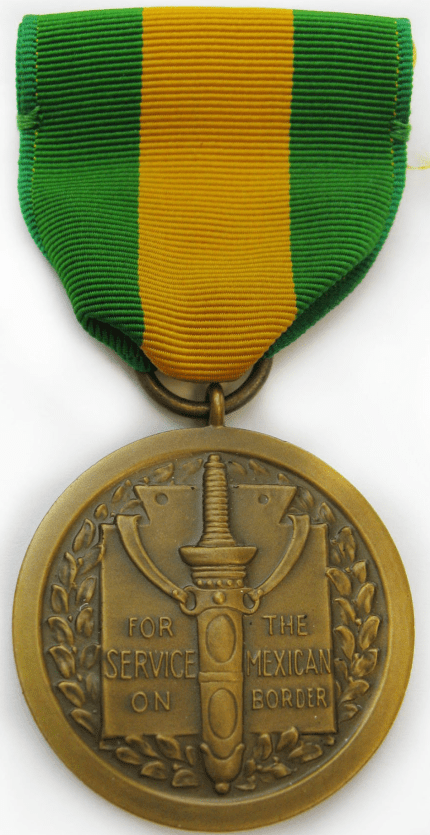
Woodsterman posted this meme:


 Trego's Mountain Ear