I stopped mowing when a young hound decided to come close and check out the operation. A comment from Renata made me realize that most folks haven’t mowed hay, and haven’t seen, first hand, the danger a mower is to small animals. Then I thought of the differences in mowers, and what makes the old sickle bar mower more dangerous to small animals.
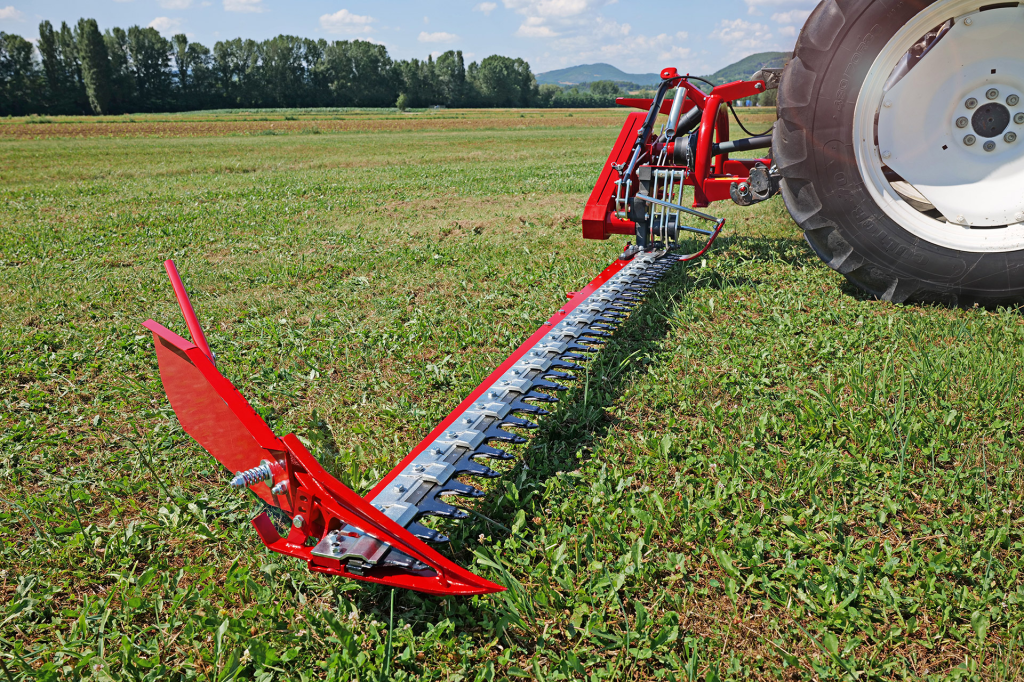
Add the tall grass and alfalfa to this photograph, and it becomes obvious how the cutting blade is hidden from small animals – and many of us who have used one have had the experience of hitting a fawn with it. It’s less common to get a dog’s foot – but it can happen.
I’m using a drum mower – and I suspect it’s a bit safer than the old sickle bar mower, but I’m not sure, and I’d much prefer to stop and waste a few moments than hurt a dog. Here’s what a drum mower looks like:
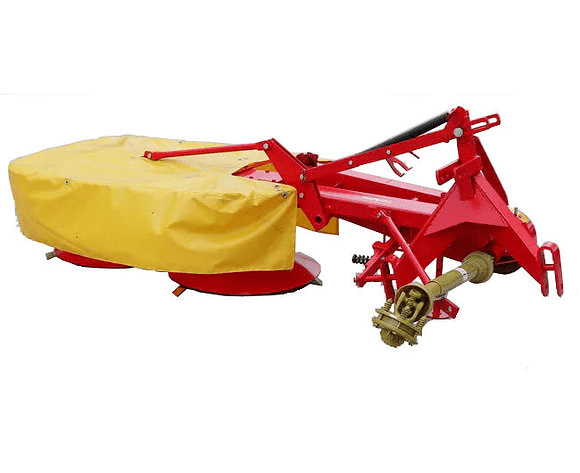
The cutting takes place by 3 small blades that rotate quickly with the drum. It’s probably as dangerous to small animals – but the drums rotate quickly and are loud. The sound, added to the height of the mower, makes it a lot easier to see. Mine, has 2 drums, and covers only 4 feet to the right of my tractor – sickle bar mowers usually run 7 feet, and I’ve used 9 foot mowers – far harder to see into the tall grass and alfalfa we mow.
I think it’s a good year when all the fawns get away. As an old man, I now watch for turkeys – small animals that weren’t there when I first mowed hay. So I got to meet a nice little hound as I mowed hay, and took a break to minimize the danger. I think the noise and the profile of the machine already minimize the risk – but coming to a complete stop until the little dog found something more interesting was in her best interest, and mine.


 Trego's Mountain Ear