Trego's Mountain Ear

"Serving North Lincoln County"

Category: Plants

  • Paper from Grass Clippings

    Paper from Grass Clippings

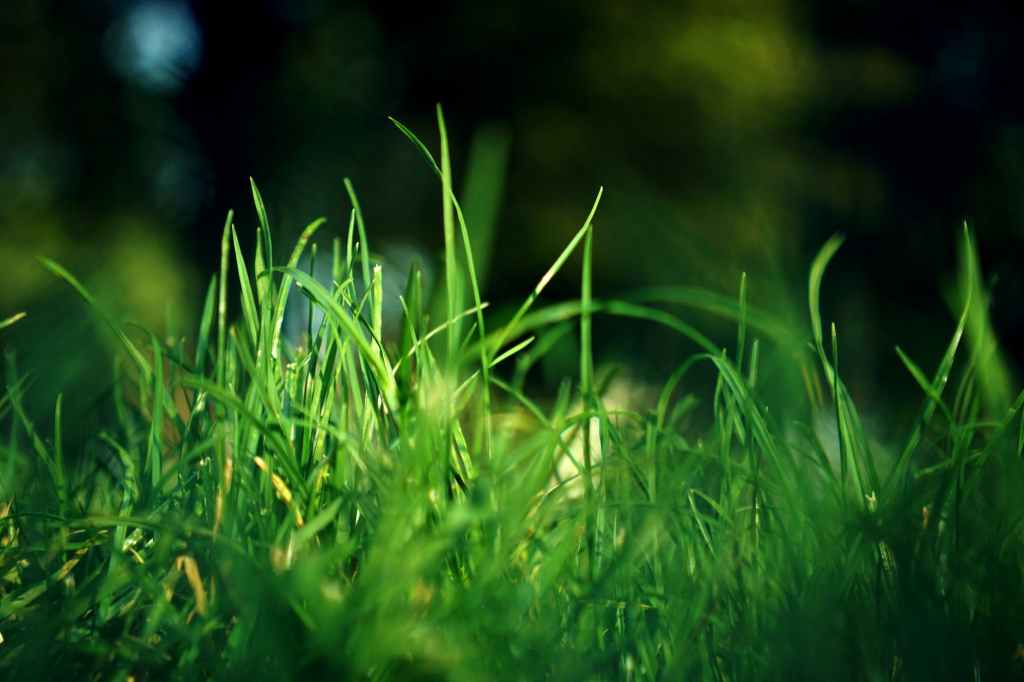
    It’s actually possible to make paper from a wide variety of things. Humans have been making paper, or things like paper for a very long time -two thousand years or so. Paper originally was made of old rags, not wood pulp.

    Making paper by hand is perfectly doable, if a bit tedious. The process is essentially the same, no matter the material. Dry, cut, cook (simmer, really), blend, and then use a screen to pull out some of the paper pulp. Dry.

    The cooking process is done to break down the fibers, often with chemical assistance. That said, it isn’t strictly necessary, though chemical additives might reduces the blending time. Blending thoroughly is important.

    It doesn’t have to be pure grass clippings- in fact, for the first time making paper, recycling old paper scraps is the easiest. That said, paper making seems to be possible with most forms of fibers- I once had students do so with packing peanuts.

    Air drying generally works fine, though modern paper mills will use heat of some sort for the drying. Homemade paper doesn’t have the additives that make it shiny, easy to write on, or long lasting. It also typically lacks the clay that can be used to make a firmer paper.

    I’ll admit that paper making falls into the category of things I classify as both neat, and not worth the effort of doing a second time.
  • Clothes from Stinging Nettle

    Clothes from Stinging Nettle

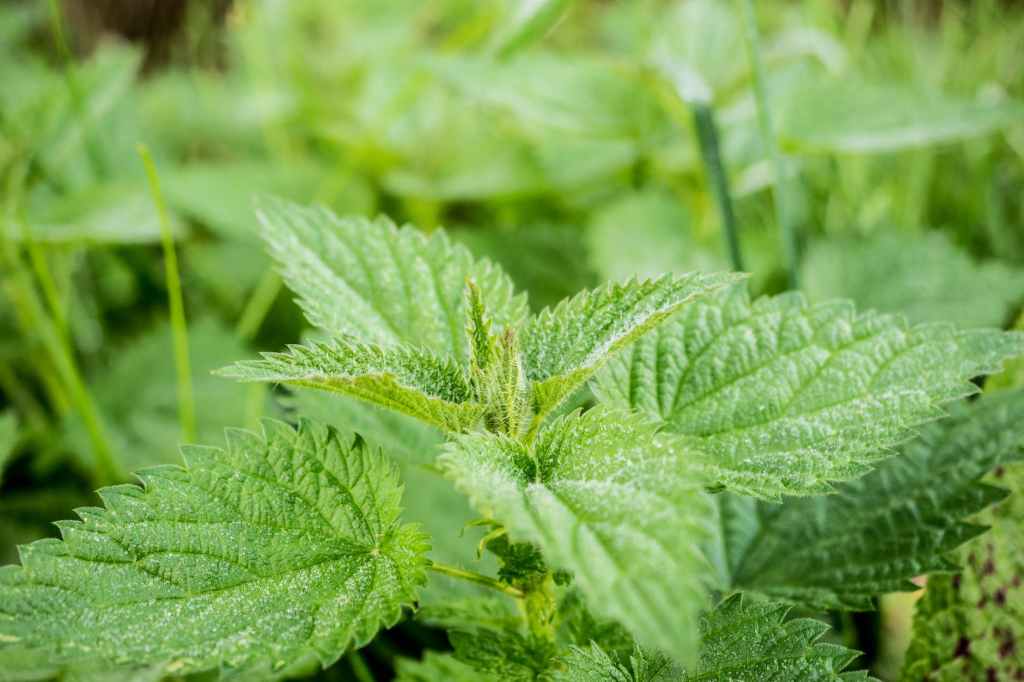
    It is, in fact, possible to make cloth out of nettles. Nettles can be harvested for their fiber, just like flax. In many ways, they are superior to flax. Nettles can grow in places that cannot grow cotton, and were once widely used for textiles.

    Nettle was commonly used historically, though use declined with the rise of cotton. In fact, the German military actually used nettle for their uniforms in WWI due to a shortage of cotton.

    Unlike cotton the seeds are not the part of the plant that provides the fiber. Instead, the fiber is provided by the long stem (the stinging leaves are not used). Like flax, removal of extra bits of step is initially done by allowing the unwanted portions to rot, and then removing an excess. Unlike flax, nettle is a perennial and does not need to be reseeded each year. The thread spun from nettle can be used alone, or in combination with other materials.

    Nettle fiber forms a stronger cloth, which unlike linen increases in strength when wet. Additionally, the fiber contains a hollow interior which makes it a superior insulating fabric, better for staying warm but still breathable. Finely spun variants were sometimes called Nordic Silk.

  • American Foods

    American Foods

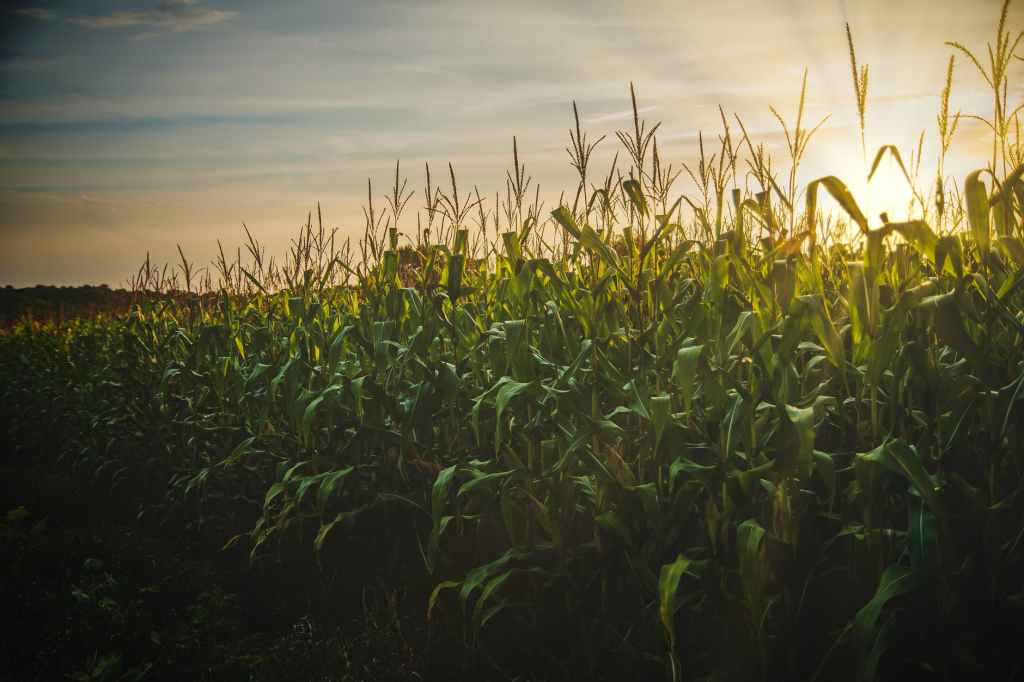
    I listened to a comment about Indian Tacos.  Now the only difference between a regular taco and an Indian taco is that the Indian Taco is wrapped in fry bread.  A regular taco is surrounded by a corn (maize) tortilla of some sort.  Fry bread is wheat based – in other words of European origin.  Corn is a crop that was developed and domesticated by Native Americans – Indians in the vernacular.

    I can make an argument that the age of exploration was fueled (at least in part) by the limited food choices in Europe.  Scotland raised oats, and had a national cuisine based on oatmeal.  The Brits specialized in a delicacy called gruel.  French history records 111 famines between 1371 and 1791. 

    In my lecture notes from the Indians of North America class, I have the sentence written large: “American Indians cultivated over 300 food crops, often with dozens of varieties.”  I’ve lost the source over the years, but I am certain research could confirm it.  As we harvest the garden, the corn, squash and beans typically raised by American Indians are there.  This year we skipped the potatoes – a crop that transformed Europe . . . and brought Ireland from 3.2 million people to 8.2 in about a century (I should have included more sources in my speaking notes).  60% of the world’s edible crops were developed in the New World, by Native Americans.

    We barely dignify grain amaranth with a glance – yet it moved from Peru to the highlands of Pakistan, Tibet and Nepal – my foreign students knew the value of a crop that we don’t touch.  Wild rice is neither wild nor rice – it was developed and dispersed by the Ojibwa.  I’m still trying to find a variety for the pond.  China became the largest producer of sweet potatoes – another American crop.

    Today, it’s tomatoes on my plate.  I think of spaghetti sauce, of Pizza, and wonder just how limited Italian cooking would be without the crops domesticated by America’s native crop scientists and producers.  Most of the crops in my garden are native to this hemisphere.

  • Four-Stresses to Kill a Weed

    Four-Stresses to Kill a Weed

    It’s probably 25 years ago that I sat in class and heard the general rule “It takes four stresses to kill a weed.”  By that I figure it takes four stresses to kill any plant – and I’m looking at my little alfalfa seedlings with a lot of sympathy.  They have experienced moisture stress.  I would think they have experienced heat stress – but there are heat tolerant varieties of alfalfa, and I was selecting for salt and water tolerance.  My alfalfa seedlings may still have a chance – I mowed the field high, to add one more stress to the weed competition.  I figure being cut down is at least one stress, and the alfalfa seedlings are much shorter, so they weren’t cut.

    As I see knapweed bursting into bloom, I grab hold and pull.  In my pale, high clay soil, so much moisture has been pulled that at least half the plants come up with 3 to 4 inches of root – the soil is so dry that it isn’t holding the roots firmly.  I think pulling them up by the roots adds at least one stressor, just like a little herbicide adds a stressor.  Folks at the county weed department have spent a good portion of the 21st century adding insects that feed on knapweed – adding one more stressor.  It’s getting late now, but a little herbicide might go a long way with the other stresses.

    Knapweed, flowering

    Ox-eye daisy is classified as a noxious weed.  Since it has shallow roots, it is easy to control . . . which means it is easy to stress.  It’s persistence strategy is lots and lots of seeds – but one of the easy controls is healthy grass stands.  If the grass is thick enough, the daisy can’t get much of a start.  Grass makes better use of the soil nutrients.  Laird Byers used to call it a “poverty weed” occurring most frequently where fertilizers weren’t used.  The fertilizer strengthened the grass, and a little 2,4-D stressed the daisy a little more.  Along with this year’s drought, and a bit of mowing, the poor Daisy is likely to have three or four stresses in hayfields before a mild herbicide application. 

    Canada thistle – like the daisy – produces lots of seeds.  Like knapweed, it has deep roots.  Still, a bit of 2,4-D works – it causes the cells that carry water and nutrients to grow non-stop.  It’s been around since the forties, and is a fairly gentle herbicide – though it got a bad rap in Viet Nam where it was mixed with 2,4,5-T in a compound called agent orange.  The problem was the dioxin in the 2,4,5-T.  The herbicide keeps the roots from coming back the next year.  We also have bugs adding to the thistle’s stress.

  • Making Hay

    Cutting grass is the main component of making hay – and, until the mid 1840s, the task was left for human muscles, usually with a scythe or sickle (I have seen artifacts where stone chips were glued into wood or bone preceding iron or bronze).

    I’m haying about 18 acres of old lake bed – drained with ditching powder about a century ago.  It isn’t the best cropland (it’s a high shrink-swell clay known as a vertisol that is high in calcium salts), but the decision to turn it into hayland was made at least 30 years before I was born.  The plus is that it is fairly flat.

    When I decided I needed tools for haying, the first thing I looked at was sickle bar mowers.  First used in the 1840’s, the horse-drawn mower became practical after the war between the states.   It’s interesting to look at the relatively short period of time that horses provided agricultural power – basically the 19th century until 1950 – excepting, of course, our Amish neighbors.  Brand new horse drawn mowers are still available. 

    Instead of buying a sickle bar mower, I bought a drum mower.  It takes more power – but my little diesel has almost 30 horsepower.  It’s shorter than a sickle-bar mower, but faster.  The technology on either is mature. It cost less than a new sickle-bar mower, and seems to be doing fine for my application.

    My rake is too small – so I’ll be buying a second section for it to double the size.  Twice the rake will still get around the field quickly.

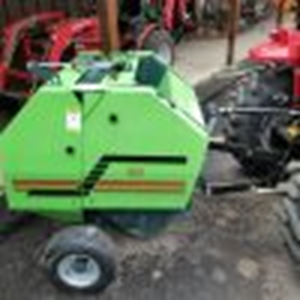
    Then comes the baler.  I’m baling with a brand-new baler – mini-round bales.  Habits are an interesting thing.  It’s been over 40 years since I last baled hay with an old Case baler.  It fed from just to the right of my tractor.  This new baler needs my tractor to straddle the old windrow.  It took the first hundred bales just to get over the habit of keeping the windrow to my right.  I’m baling with hemp twine, and next year I may try sisal or plastic.  It’s fun.  I may be a bit slow and old, but making hay is a lot more fun at 71 than it was at 15.

  • Low Carb Potatoes

    As the garden becomes better established, I’m researching low carbohydrate potatoes.  I like potatoes, but part of surviving cancer included type II diabetes.  It isn’t a big deal – but potatoes and apples are high in carbohydrates, carbohydrates convert to sugar, and I have the ability to find the low carb varieties.  If I can’t buy them in the stores, I can grow them in the garden.

    Spud Smart and Potato Grower both have articles on the new varieties of potatoes that are low carb. The Spud Smart article starts with

    Potandon Produce unveiled its first low-carbohydrate potato Oct. 19 during the Produce Marketing Association’s Fresh Summit convention in New Orleans. The Idaho Falls-based company boasts its CarbSmart potato has 55 percent fewer carbohydrates than rice or pasta.”

    Boise isn’t that far away, Idaho produces a lot of potatoes, and I have hopes of being able to find their CarbSmart potato in the grocery store.

    Potato Grower describes a world where many different low carb potatoes are available – though it’s a long drive to get Lotato in the Netherlands or New Zealand.  Still, the Sunlite variety is listed as available in supermarkets ranging from Florida to Minnesota – and the drive is getting shorter. 

    Montana State University has developed a variety named “Huckleberry Gold.”  For a change, it is easier to find data online from the seed potato sellers than from the university.  The common description is “MSU researchers have found that Huckleberry Gold has a low glycemic index. This variety does not cause a rapid spike in blood sugar like most starchy foods. Great potato for diabetics!

    It appears to need a slightly longer growing season than Trego offers – more suited to Eureka or Rexford.  Still, there are ways to work around this – a dark cold frame to warm the soil early and protect from late frost will help me.  I can mix a bit of sand into my silty clay to come up with a small plot closer to a loam and better suited for potatoes.  I am looking forward to raising potatoes that do not spike my blood sugar.

    Huckleberry Gold produces round to oval small to medium sized tubers with purple skin and yellow flesh. Resistant to common scab and verticillium wilt.”

    Irish Eyes Garden Seeds

    “Researchers in the Sands’ Research Lab at MSU’s Plant Science Department have found low glycemic index potatoes that do not cause the rapid spike in blood sugar that comes with eating starchy foods. Sugar spikes can be dangerous for diabetics who lack the insulin to handle it and have been linked to cancer, heart disease and other conditions.”

    Ag Update