-
Snow fleas have been out and about this past week.
Despite their name, snow fleas bear no relation to the parasitic insects. Truth be told, snow fleas aren’t even insects! They have six legs, but aren’t divided into three body regions like insects, so instead belong to a larger grouping, the hexapods. Snow fleas are more properly called “springtails”, after the furcula, meaning “little fork” in Latin, a forked structure they use to fling themselves into the air.

Just below Lincoln’s shoulder, there is a snow flea – a Hypogastrura springtail. Here’s a close-up video of a distantly-related springtail leaping, with a bit of an explanation of how the furcula works.

A few more snow fleas and a fir needle. Unlike many arthropods, springtails grow to maturity faster in cool and moist conditions. Many are winter-active as well.
Similar to some of the insects I discussed in our piece on cold adaptations, many springtails have glycerol compounds in their blood, which lets them stay active in cold temperatures. Some food scientists are currently studying this blood antifreeze to make ice-cream less-susceptible to freezer damage.


Here’s a broader-field video than I was able to take of the snow fleas.
Despite being very common, and covering a vast range, very little is known about springtails. Most tend to live in the soil itself, either in woodlands or grasslands, but I’ve found them in caves and on the surface of streams before as well. Wherever there is moisture to keep springtails from drying out, as well as bacteria or mold for them to eat, there you can find springtails.
-
Sam Billings wrote of his experience as a Forest Service guard on Pinkham Creek. We do need to remember that the Pinkham Creek residents of the time did not have the same access to the historical record that the Forest Service did – the stories I heard as a youngster suggest there was only one man specializing in arson . . . but it was a different time. Billings’ story gives a perspective on the early times on Pinkham.
THE PINKHAM CREEK CLOSURE – 1924
By Sam Billings
Sometimes referred to as the Pinkham Creek Insurrection or the Pinkham Creek Rebellion, the entire Federal lands in the Pinkham Creek drainage, Kootenai National Forest, were closed to entry without permit beginning about the first of August 1924 and were kept closed until the September rains.
For several years preceding this closure, the Forest Service had had to contend with incendiary fires that were set within or adjacent to the drainage. These fires were believed to have been set by homesteaders in Pinkham Creek who set the fires in order to obtain work as firefighters. In the latter part of July 1924 a rash of these fires were set—some 32 fires, if the writer remembers right, were set at one time; and the Forest Service decided to take drastic action. The Forest was closed to entry except by permit, and seven camps were established around the valley, out of which patrolmen enforced the closure. There were three men in each camp – two patrolmen and a camp tender, who did the cooking and watched camp during the day. All the patrolmen were armed and were supplied a saddle horse apiece for riding out over the trails. Wages were $100 per month and food.
This writer was one of the patrolmen and was assigned to Camp No. 1 the first camp on the road at the lower end of Pinkham Creek. Andy Fluetsch, sent over from the then Absaroka National Forest, was the other patrolman in this camp, and Bill Hillis, from Libby, was the camp tender. Andy was a long, lean cowpuncher-type and was a fast-draw artist. Bill was short and round and bald and was a retired professional gunman who had worked for years for the Peters Arms Company, doing exhibition shooting at circuses and on the vaudeville circuit. They picked me – they told me later – because I had served in a tough outfit, the First Division, in World War I.
The people who organized this armed patrol must have thought there would be violent resistance to the closure, but there was none—only the threat of it one day. Fluetsch and I usually left camp around 8 a.m. and rode out in different directions each day, sometimes together and sometimes each in a different direction. We usually returned to camp at around 4 p.m. Bill Hillis usually stayed in camp all day, but occasionally, he would catch a ride into Rexford or Eureka on business of his own, or rarely, he would go duck hunting. One day we returned to camp around 4 p.m., as usual, and found a note on the dish up table. Bill had gone to Eureka and had not yet returned. The note read “You get to hell out of here or we will shoot up your camp,” and it was signed “Pinkham Creekers.” Andy and I slept on cots in one tent, and Bill slept on a cot in the cook tent where we ate our meals. Naturally, we were a little nervous for a while after reading the note; and both Andy and I had our guns under our pillows at night. I carried a Luger 9 mm automatic, but Andy had a .38 Smith & Wesson, with an 8-inch barrel; and as stated earlier, he was a fast draw artist and practiced every morning at it before he sat down to breakfast.
The third night after receiving the note, and soon after getting to sleep some rattling of cooking utensils woke me up. There was a tarp stretched out in front of our tent and a small mix-up table under it on which Bill had stacked some pots and pans. I raised up on my elbow and looked out the tent flap and saw a pack rat rummaging around on the table and in and out of the dishes. There was a full moon – and very bright. Without arousing Andy, I pulled the Luger from under my pillow, leveled on the pack rat and fired. Andy’s reaction was instantaneous. It wasn’t a second before his feet hit the dirt floor and he stood there with the .38 in his hand. I don’t think I ever saw a man move that fast before. Had there been someone out there, it would have been just too bad.
Bill Hillis, our camp tender, had made a profession of shooting practically all his life. As a young man, he was a market hunter in California and made his living shooting wild ducks and geese before there were any game laws. He shot them day in and day out, as long as there were any to shoot; and he became as skilled at it as anyone alive. He could do anything with a shotgun and often demonstrated his skill while we were in camp. His favorite trick was to load his pump gun full of shells and start firing into the air, and he knew how to jerk his gun while ejecting the shell so that it would fly up and ahead, and he would shoot and hit each ejected shell.
After game laws went into effect, he went to work for the Peters Arms Company and traveled all over the United States and Europe with vaudeville companies and circuses doing trick shooting. He could take any type gun, whether he had ever had it in his hands before or not, and do amazingly accurate shooting with it.
I recall one Sunday a doctor from Eureka and his family stopped at the camp to visit. The doc had a .22 caliber rifle with him and was quite proud of his ability to shoot with it. He belonged to a rifle team and the National Rifle Association. He used a small pine knot on the tamarack flagpole we had at camp and put a very creditable group of five shots around the knot. Hillis complimented him on his marksmanship and asked if he might try his luck. The doc said Sure, and handed him the rifle with five shells in it. Bill fired the five shells at the same distance at another pine knot (about the same size as a .22 bullet) in quick succession, and all holes overlapped. He apologized for the overlaps, saying his eyes were failing him.
There were two arrests made during the patrol; both for trespass on a closed area. One of the arrests was made by Fluetsch and me. We knew that one of the homesteaders, living one-half mile or so up a draw and away from the creek, had to haul water for himself and family and stock. He had none whatsoever on his place. He hauled two barrels at a time on a stone boat pulled by a team of horses. His horses, when not in use, were turned loose and grazed on the National Forest. We knew what they looked like, where they grazed, and when they were used. The homesteader had been told two different times that he could have a permit for the length of the closure and to go out and get his horses. He assured us both times that his horses never went onto Government land – he always kept them on his place and, therefore, didn’t need any so-and-so permit from us. He even told us what we could do with said permit.
Our camp was near the creek and within a short distance of the willows and alders that lined the creek. We discovered tracks in the soft, moist earth that indicated possibly two barefoot boys were sneaking through the brush after dark to within hearing distance of our camp and listening in on our conversation as we sat around the campfire and discussed where we would patrol the next day. We presumed our plans were pretty well distributed among the residents up and down the creek.
So, one night we talked about our next day’s plans in tones loud enough to make sure anyone could hear it out in the willows. We were to go out along some trails on the east side. At our usual bedtime, we went into our tent, lay down for a half hour or so, and then rolled up our blankets and stuffed them into packsacks along with an alarm clock and a breakfast lunch Bill Hillis had prepared for each of us. We strapped on our guns and, with packsacks on our backs, we crawled out under the back end of the tent and across the creek in pitch darkness. There was no moon that night, and we had difficulty in finding the trail on the west side but finally did and without too much trouble reached the area where we knew the aforementioned horses would be grazing. They both had bells on them so they were easy to locate, and we bedded down on the trail close by after setting the alarm clock to wake us just before daybreak. When the alarm went off, we stuffed our blankets into our packsacks, hid out in the brush beside the trail while we ate our sack lunch and waited for the suspect. We waited but a short while before he came up the trail with halters and a pail of oats in his hand. Andy Fluetsch jumped out into the trail with gun in hand, and it scared the poor fellow to where I thought he was going to faint. We told him he was under arrest for trespassing in a closed area of the National Forest, helped him gather up his horses, and took him back to his home and thence to the U.S. Commissioner in Eureka, where he was placed under $500 bond. As far as I know, neither he, nor the other man that was arrested, were ever brought to trial.
The closure ended in September with the first heavy rain, and some of us were assigned to construct the new cabin up the creek and some to build a new 72-foot lookout tower on Pinkham Ridge. After the first heavy snows the tower job was brought to a halt and I was assigned to go on game patrol with Charlie Hudson from the Upper Yaak country. I never knew the reason for this game patrol. Both Hudson and I were made honorary deputy game wardens, but we made no arrests or saw any evidence of poaching and very seldom saw any game.
We were quartered in tents with the crew building the new cabin. By the time the cabin was finished in mid-November the snow around the tents was stacked up against the canvas walls to the roofline. When construction was complete, all except putting a partition through the middle, it was decided to have a dance and invite the Pinkham Creekers. Most of us had become pretty well acquainted with most of them and found them nice, friendly people; and we had a very happy party that night. Whole families came – children and all. The younger kids were put to bed in the tents.
Our cook was a young Italian fellow, and besides being a good cook he was a good mandolin player. One of the Pinkham Creekers was a good fiddler, and he and the cook really made the folks step lively in the square dances. There was some moonshine imbibed outside between dances but none to excess. The cook had prepared a lot of food and coffee for midnight lunch after which the dance went on for another couple of hours. After everyone had gone and I crawled into my tent, I found the blankets soaked.
These people were largely from the hills of West Virginia and Kentucky and had been poverty stricken all their lives. Their ways of living back East had changed little or possibly for the worse in Pinkham Creek. The soil on most of the homesteads was white clay, too acid for the raising of most crops, and in dry summers not enough water was available for irrigating any land but that close to the creek. Some of the more able-bodied made a partial living hacking railroad ties from the tamarack and Douglas fir stands on their homesteads and adjacent National Forest. These they hauled to the Great Northern tracks at Eureka for which they got $.43 a tie – if they passed inspection. Some made moonshine; some had a few head of cattle and tried to raise hay. All of the land had been timberland – largely Douglas fir and tamarack (western larch) but some ponderosa pine – and there were stumps in almost every clearing. Some clearings were also rocky, and it was the custom with some to pick up the rocks and place them on the stumps. Noticing one day that the stumps in a quite large field were pretty well rotted out, I asked the owner why he didn’t get rid of them so he could raise more hay; and he replied, “Well, what in hell would I do with all of the rocks?”
All at that time lived in log cabin homes. There was no electricity in the valley nor was there telephone line except Forest Service. All farm work was by manpower or horses. No one had any powered farm machinery. There were no radios. I bought an early battery-operated Radiola with earphones – the first one in the valley – soon after the Forest Service cabin was completed.
One Sunday I invited old Mr. O’Brien, who lived a mile or so down the road, to come up and listen to a church service from a Catholic church being broadcast from Winnipeg, Canada. He had never seen a radio before, and although a devout Catholic, he had not been to church for some 20 years or more. I sat him at the table on which the radio was placed, adjusted the earphones on his head, during which process he showed considerable nervousness, and turned it on. The services had just started and were coming in real good. The old fellow sat there with both hands cupped over his cane during the full hour without moving a muscle or saying a word. When it was over he carefully removed the headphones and placed them on the table; and without saying a word, he took his cane and left. But he spent the rest of the day walking up and down the valley talking to anyone who would listen about the great miracle he had just been a party to. He had attended church in Winnipeg while sitting in the Forest Service cabin in Pinkham Creek.
Tony, our mandolin playing cook, another man whose name I can’t recall but who had a good singing voice, and myself visited the O’Briens two different Sundays. The conditions under which they were living appalled us. They had no running water but dipped it out of a barrel outside; a two-lid wood-burning cook stove that was warped all out of shape; an outside toilet, the door of which wouldn’t close because the top hinge was gone; a potbellied stove for heating that seemed as though it put more smoke into the room than went up the chimney; windows that you could barely see through and with two panes of glass missing and covered with paper. They did have an old foot pump organ that the old couple said was brought over from Ireland by their grandparents and was in playing condition. Their granddaughter, a girl about 18 years old, was living with them and caring for them, and she could and did play the organ while Tony played his mandolin; and the rest of us sang from an old hymnal they had. The old folks’ lives seemed to be made a little happier by these visits.
Money for my employment that year ran out the first week in December, and I left Pinkham Creek. Having just come from Massachusetts in early July, the things seen and experiences gained have remained rather vividly in my mind these 50 years. It is hoped that these recollections may add to those already placed on record by others.
-
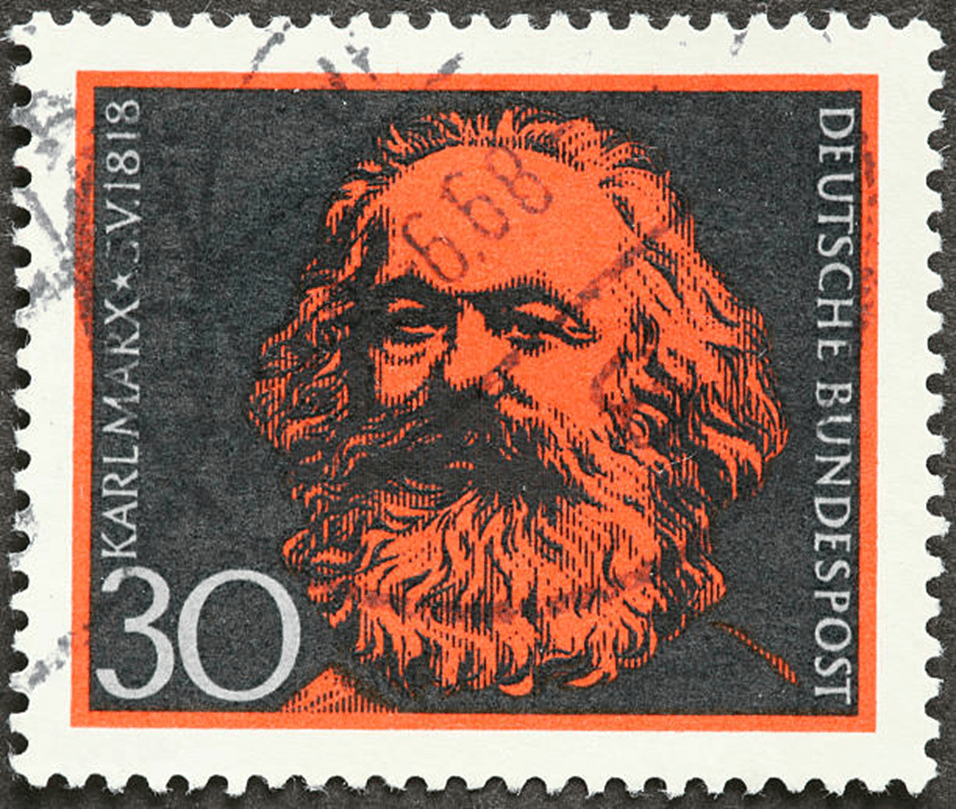
Karl Marx thought the petit bourgeoisie would have a decisive role in the revolution – and I can’t think of better, more salt of the earth, examples of petit bourgeoisie than owner-operator truckers, farmers, and ranchers. To Karl, the petit bourgeoisie were the small merchants, the self-employed artisans . . . folks who owned at least a part of their means of production.
I’ve known quite a few owner-operator truckers, and met a whole lot more. A CDL alone and the driver is a proletariat. A CDL, with a down payment and a bank loan, and you’re looking at a member of the petit bourgeoisie. The social distinction between proletariat and petit bourgeoisie isn’t hard to cross in the trucking business. I doubt if there are a whole lot of haute bourgeoisie in the trucking industry, but the business converts the proletariat to petit bourgeoisie overnight.
And truckers are near-natural participants in Irish Democracy – uncoordinated, wide-spread civil disobedience. The multitude of regulations over the industry create awesome opportunities for civil disobedience. The petit bourgeoisie with a restaurant has to stay put and conform. The trucker, with 18 wheels, is harder to locate.
It is hard to think of an occupation more likely to bring Irish democracy into a political rally. I have often listened to owner/operators who explained the need to keep two separate sets of books to make a living. I recall the popularity of CB radios that announced where the bear was on the road. I recollect radar detectors. “Irish democracy” may be more pervasive among truckers than in Ireland. And the Canadian government decided that they would need to quarantine for two weeks after crossing the US border. If you look at populations (the old demographer talking here) about 70 percent of Canadians live further south than I do in Trego. Somewhere around 85% of Canadians live within 100 miles of the US border. Geography and demography have a lot of influence on where truckers drive.
Truckers – particularly owner-operators – are an occupation that can be described in Marxist terms. A member of the lumpenproletariat with a commercial drivers license, a bank loan and a used truck moves into the petit bourgeoisie. Equally important, if the truck goes and there is still money owed to the bank, he is back in the lumpenproletariat. Close to the bottom margin of the petit bourgeoisie, the owner operator is in a position where carefully picking which regulations he (or she) observes makes the day more profitable. The two week quarantine would end that trucker’s ability to make the payments on the truck. Heck, a couple of hours beyond the legal allotment helps the bottom line. Trucking is an industry that practices Irish Democracy during the good times.
So I’m watching my northern neighbors – they started with a Freedom Convoy driving to Ottawa, and now trucks and tractors have closed the main 24 hour crossing between Montana and Canada, over by Sweetgrass. By Stalin era definitions, the petit bourgeoisie are right wing – so I can understand the cartoonist who labels the trucks fascist, and how the national media calls the convoy “right wing.” Different ideologies have differing definitions. The libertarian sees a fascist as someone who comes up with, or enforces, rules that interfere with freedom.
It seems a bit strange that left-wing politicians turned out unable to use Marx’ definitions, class descriptions and the dialectic to see that the truckers were the social class, the industry, that could bring the protest to the capitol. The small businessman with the restaurant, motel or grocery store is stuck in place. Eighteen wheels and a diesel engine is a business that makes Irish Democracy more natural than compliance.


-
There are some confusing terms about the economy. Household production fits in with the things that you do for yourself that makes life a bit better. “Underground economy” and “shadow economy” refer to transactions that could be considered black market. Some things – drugs, prostitution, stolen merchandise – are in the underground economy practically by definition. Other items can be either in the regular economy or in the shadow economy.”
https://internationalliving.com/countries/italy/the-economy-in-italy/
“Italy also has a sizable underground economy, which by some estimates accounts for as much as 17% of GDP. These activities are most common within the agriculture, construction, and service sectors.” This gives us the idea that it isn’t just an illegal immigrant involved. The underground economy can include otherwise respectable citizens.”Household production isn’t mentioned in the analysis – but here, in northwest Montana, a single product provides an example – firewood. It benefits me to report the money that comes in from firewood sales. It helps me qualify as a farm, and make deducting expenses and depreciation possible. As household production, it probably cuts down the cost of heat by $700 – $1000 each winter. For others, it’s an underground economy, advertised on facebook, unreported to the government. The definition and source follows:

Investopedia puts the underground economy at 11 or 12% of the gross domestic product in the US. California’s Attorney General has an “Underground Economy Unit” and lists restaurants, janitorial work, the garment industry, retail, construction and car washes as the industries most impacted by wage theft. I don’t know – I recall talking about the US underground economy with a grad student. With a student visa, he wasn’t allowed to work in the US – yet he had held a job somewhere in the southern US, in a business owned or managed by an Indian national, who sent the paycheck to his father in yet another country. I think the term “wage theft” in that case would be accurate if you only looked at US records – and I doubt if it was reported to the IRS.
The Institute of Economic Affairs uses the term “shadow economy” and describes: “The main drivers of the shadow economy are (in order): tax and social security burdens, tax morale, the quality of state institutions and labour market regulation. A reduction in the tax burden is therefore likely to lead to a reduction in the size of the shadow economy. Indeed, a virtuous circle can be created of lower tax rates, less shadow work, higher tax morale, a higher tax take and the opportunity for lower rates. Of course, a vicious circle in the other direction can also be created.”
They go on to describe Denmark, where about half the population hires “shadow” workers. Much of the “shadow economy” they describe is labor from people who have a regular job, performing a non-deductible service for other private parties. The “shadow economy” is as much, or more, a place for our neighbors as for illegal migrants.
“In Canada, Schneider (2005) found similar reactions of people facing an increase in indirect taxes (VAT, GST). After the introduction of the GST in 1991 in Canada, in the midst of a recession, the individuals, suffering economic hardship because of the recession, turned to the informal economy, which led to a substantial loss in tax revenue. Unfortunately, once shadow economy habit is developed, it is unlikely that it will be abandoned merely because economic growth resumes (Schneider, 2005). The People who engage in shadow economic activities may not return to the formal sector, even in the long run. This fact makes it even more difficult for policymakers to carry out major reforms because they may not gain a lot from the reforms.”
https://www.usi.edu/media/3654690/Shadow-Economy.pdfNearly 6 years ago, California passed legislation allowing legal marijuana sales – yet somewhere around 85% of the marijuana sold in California today is still in the “traditional” market – that’s right. Despite having laws and a system that allows for legalized sales, the illegal market provides 5 times as much marijuana to users than the legal market.

-
The TFS Community Hall, formerly the Trego Civic Center, will be aiming to serve a new demographic in our community this year: children under the age of 5. This group has long been overlooked, but no doubt plays a vital role in the future of our community; at least, that’s my opinion as a new mom and a member of the Hall’s volunteer board.
In partnership with Zero-to-Five Lincoln County, the Hall was able to purchase the supplies to make a brand new Learn and Play Area for young kids. The new setup includes elements such as a giant colorful area rug, modular kids play furniture, educational toys, and a miniature library that we hope to fill with a shmorgishborg of children’s literary delights… i.e. lots of books! To help this project move forward, the Hall is doing a book drive to fill the bookcase with the best variety of books possible.
If you’re looking to do a little spring cleaning, you can take your gently used children’s books and drop them off in the drop boxes located at the Trego Post Office, or the Trego Pub. If you don’t have a stack of books lying around, but you’d still like to help, you can order a copy of your favorite children’s book and ship it directly to the Hall’s PO Box, listed at the end of this article.
If you’re wondering when the hall may “open” the new kids area, my goal is to have everything setup by the end of February, and be ready to welcome kids by the first week of March. Folks are welcome to reach out with questions, or better yet, attend the next board meeting on Tuesday February 8th, 7:00pm, at the Community Hall. Otherwise, keep an eye on the Hall’s reader board, our social media, and the local newspaper for the latest updates on the project!
Ship books to:
TFS Community Hall
PO Box 393
Trego, MT 59934
-
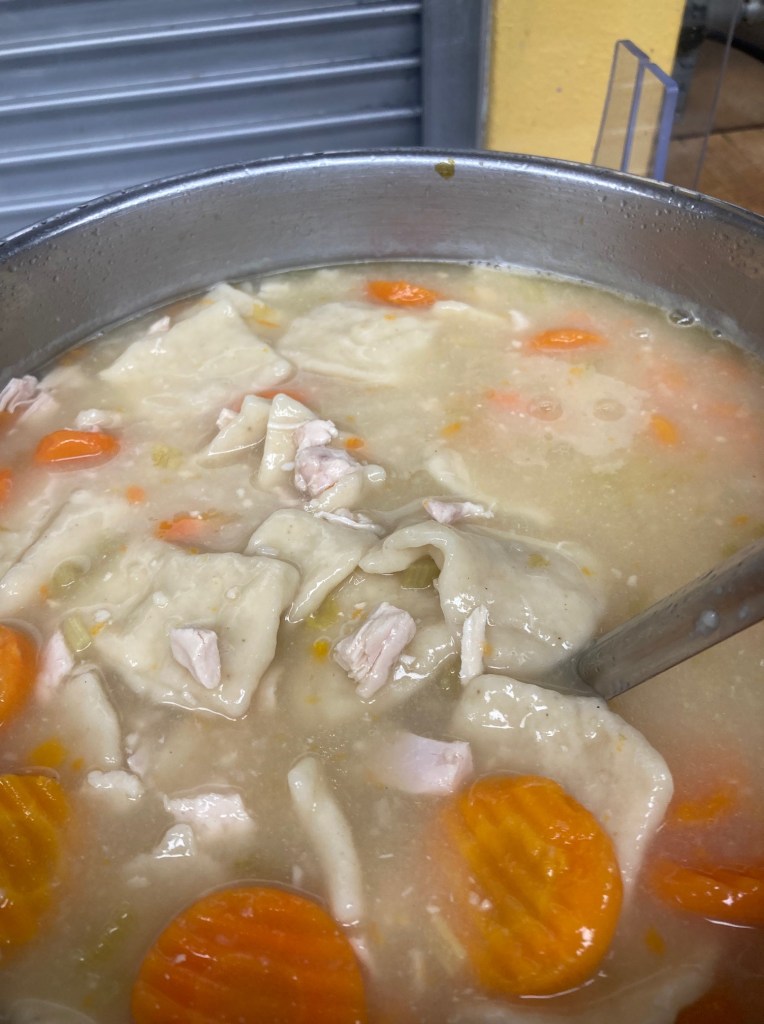
This recipe warms your soul on a cold winter night. Your standard chicken soup with a little twist. Every time I make it I think of warm hugs, snow, and love from Grandma. The amounts of each depend on your taste and how many you plan to serve.
- Precooked chicken-diced (you can use uncooked but some times it leaves a film on top)
- Carrots, celery, or other vegetables you like
- Minced garlic, chopped onion, salt and pepper to taste(be careful with salt as chicken broth can be quite salty)
- Chicken Broth mixed 2/3 to 1/3 with water
- Cook all of the above ingredients on medium until it boils
- Cut butter or shortening the size of a walnut with 2 cups flour, a little salt, pepper and garlic powder (I usually make a double batch for six to eight people), mix in water until dough pulls away from the bowl…may be slightly sticky. Knead dough (five to six turns only so your dumplings won’t be stiff). Roll thin and cut into 1″-2″ squares. Drop into boiling water and stir frequently so dumplings won’t stick together. Cook for 15 minutes longer.
- I like to add a little corn starch mixed with water at the end so the soup is a little more creamy.
- Serve with rolls (there’s a yummy recipe I submitted earlier) with lots of butter!
-
I’ve noticed articles about school board activities in different parts of the nation. As I have thought about things, I’m tempted to alter Clauswitz’ quote – “Everything in war is very simple, but the simplest thing is difficult”
I came on to Trego’s school board when we had 4 ANB – that’s an abbreviation for Average Number Belonging. It’s defined in 20-9-311 in Montana Codes Annotated. It means we were just about out of business. A couple years later, we have the school back in business, but even the simplest thing is difficult. Here’s where you learn to count students and figure out funding.
Deciding what to do as a school board member is very simple – but the way a school functions makes the simplest of things difficult. I’ve developed a priority list to help make decisions.
- Is this decision in the student’s best interest?
- Is this decision in the school’s best interest?
- Is this decision in the community’s best interest?
- Is this decision in the employees’ best interest?
- Is this decision in the board and board members’ best interest?
The students’ best interests come first. My own priorities are that learning needs to be enjoyable and that academics comes first among student activities. I see room for athletics and special events – but those are secondary. A simple thing, made difficult by conflicting or undecided priorities.
The school, as a local institution, and building comes second. Our school at Trego was built in the mid-sixties, to Corps of Engineers standards. It has lasted a half-century without a fund dedicated to a planned maintenance schedule. I’ve seen century-old schools in good shape in their second century, and 50 year-old buildings demolished due to poor maintenance. Our facility was built by an earlier generation, and needs to be maintained for the future. A simple thing – but the building has no voice and maintenance can always be put off until later.
The Trego community and residents who fund the school come third. Don’t take this out of context because the staff comes fourth. If they aren’t working for those first three priorities, we have a problem. Teachers, janitor, cook, clerk, bus driver are all needed. This is the personnel management spot, where conflict and strife combine to make even the simple things difficult.
Board members individually and as a group have the lowest priority. We are unpaid and ideally the positions should be sought as a civic responsibility.
Everything that comes before your school board is very simple – but even the simplest thing is difficult.
-
Times have changed. In the seventies, I would have been up and out this morning to snowmobile in to Weasel Divide, Stahl Peak, and Grave Creek snow courses, and worked the details out in the evening in a Libby motel room. Now, I can get the data in my kitchen by clicking a link.

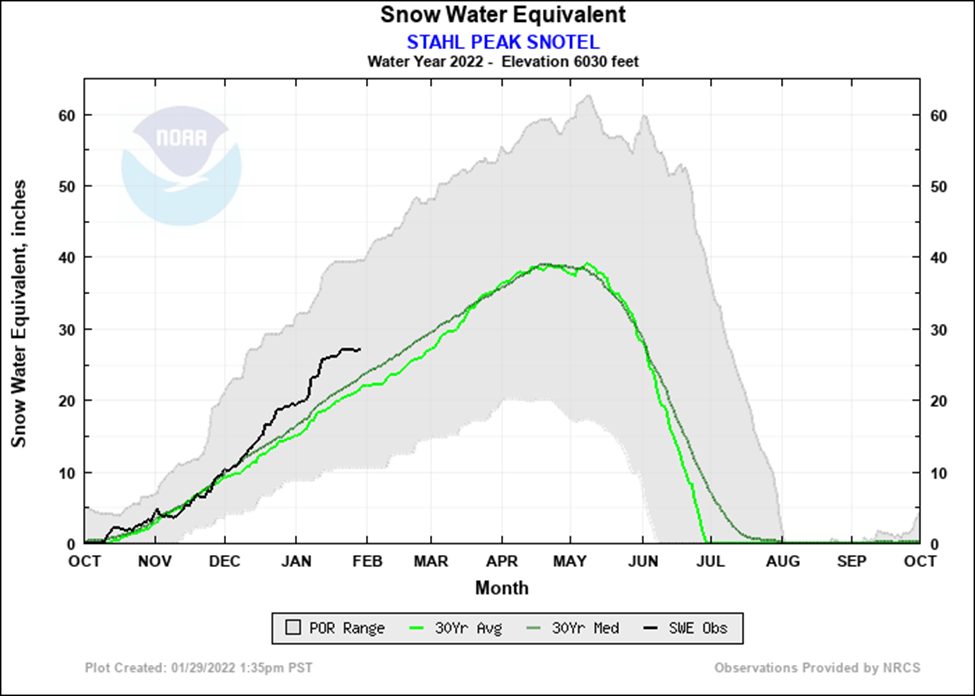
So we’re going into February at 127% of average – 5 ½ inches of water more. Something interesting happened between 2:00 pm and 3:00 pm on January 27 – the snow depth reported went from 187 inches to 75 inches, while the snow water equivalent stayed the same at 27 inches. This is why we carried so many spare parts on the back of the old Ski-doo Alpines – one ski up front, two tracks behind, and a small pickup bed behind the seat. Monitoring equipment needs to be monitored.
Date Time PST Snow Water Equivalent (inches) Snow Depth (inches) Snow Density (%) Precipitation To-Date (inches) Current Temperature (degrees F) 01/28/2022 0900 26.9 187.0 14 46.1 18.0 01/28/2022 0800 26.9 187.0 14 46.1 16.9 01/28/2022 0700 26.9 187.0 14 46.2 12.4 01/28/2022 0600 26.9 187.0 14 46.1 12.4 01/28/2022 0500 26.9 187.0 14 46.1 12.9 01/28/2022 0400 26.9 187.0 14 46.1 13.1 01/28/2022 0300 26.9 187.0 14 46.2 15.4 01/28/2022 0200 26.9 187.0 14 46.2 15.1 01/28/2022 0100 26.9 187.0 14 46.2 13.3 01/28/2022 0000 26.9 75.0 36 46.2 14.5 01/27/2022 2300 26.9 187.0 14 46.2 12.7 01/27/2022 2200 26.9 75.0 36 46.2 13.5 01/27/2022 2100 26.9 76.0 35 46.2 13.6 01/27/2022 2000 26.9 76.0 35 46.2 14.0 01/27/2022 1900 26.9 76.0 35 46.2 14.2 01/27/2022 1800 26.9 76.0 35 46.2 13.8 01/27/2022 1700 27.0 76.0 36 46.2 14.4 01/27/2022 1600 27.0 75.0 36 46.2 16.7 01/27/2022 1500 27.0 76.0 36 46.2 18.1 01/27/2022 1400 27.0 187.0 14 46.2 17.6 01/27/2022 1300 27.0 187.0 14 46.2 21.4 01/27/2022 1200 27.0 187.0 14 46.2 18.1 01/27/2022 1100 26.9 187.0 14 46.2 16.9 01/27/2022 1000 26.9 187.0 14 46.2 So what’s in store? As the chart below shows, there isn’t enough data yet for projecting seasonal precipitation reliably on the first day of February. Still, with the normal high around 39 inches on the first of May, we need only10 more inches of water to make it, spread over the next 90 days.
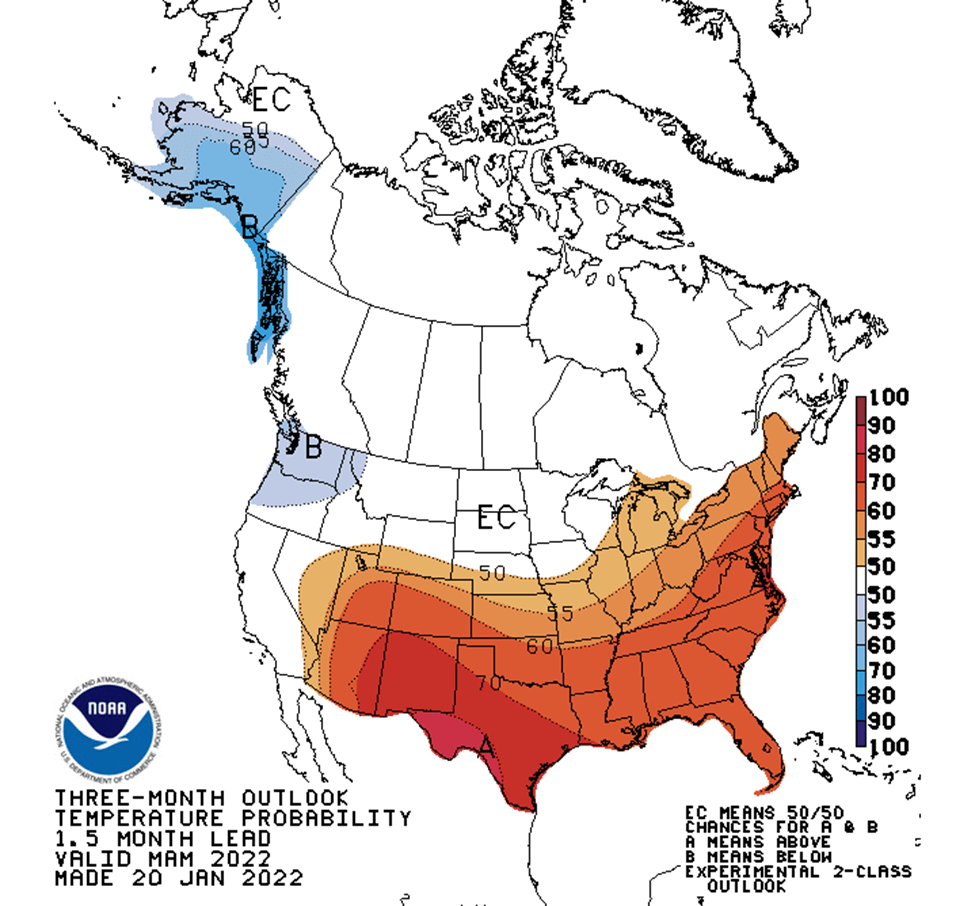
If you want more data relative to the upcoming temperature and precipitation projections, NOAA has the official long-lead forecasts available at: cpc.ncep.noaa.gov
It looks like our temperatures will be a little below normal for March-April-May, leading to a bit slower snow melt.
The precipitation probability is also above average – so things look good for the Spring.

As I look back, it is easy to see how a career starting in snow surveys provided good experience as I moved into demography. There really isn’t a lot of difference between projecting snow depth and human populations.
-
I recently found myself subject to one of the sleazier marketing schemes, perhaps sales-scheme is more accurate. You receive a package, by mail. Unexpected.
You pick it up and there is an item that you definitely didn’t order. Some company that has your address- perhaps one you’ve ordered from in the past. Even though you didn’t order this, it came with an invoice.
At this point, you can (pay postage) to send it back, or pay the invoice, right? Not quite- according the US Postal Service, the item is a gift.
If you were familiar with this sort of thing, you could have returned it for free by marking it “Return to Sender”. If, perplexed, you opened it, as I did, you can either keep it or throw it away. The US Postal Service very firmly states:
Whatever you do, don’t pay for it — and don’t get conned if the sender follows up with a phone call or visit. By law, unsolicited merchandise is yours to keep.”
There’s actually a name for this kind of thing, when it occurs as part of what the US Postal Inspection Service calls a Brushing Scam.
If you don’t pay the invoice, you can expect a followup. The recommendation seems to be following up with a letter quoting the relevant section of law.
Of course- this information is US applicable only- Australia gives the company a 3 month “recovery window”, during which you aren’t allowed to damage the thing they sent you. And it doesn’t apply to any sneaky “free trials” that aren’t free, or that automatically renew. If you ordered it, that changes things a bit. Regardless- you can always complain (more on who to complain to, later).
Want to tell us something or ask a question? Get in touch.

Recent Posts
- Voting Yourself In
- A Few Charts and Trends
- The Density of Water Explains When Dickey Lake Freezes
- Watching Iran
- The Quality of Numbers
- Robert Treat Payne Had Traveled To Greenland
- 75 Years Ago in New York
- Recovery Time for a Retiree
- Venn Diagram and DSM
- When Castro Was Cool
- You Have To Beat Darwin Every Day
- Computer Repair by Mussolini
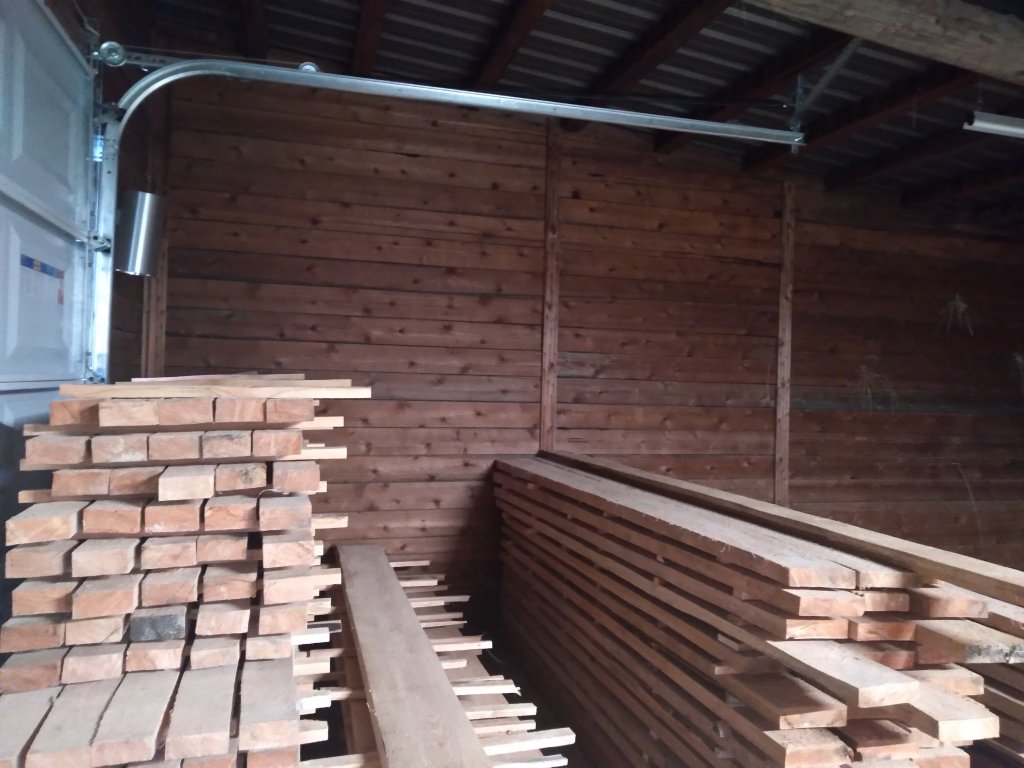
Rough Cut Lumber
Harvested as part of thinning to reduce fire danger.
$0.75 per board foot.
Call Mike (406-882-4835) or Sam (406-882-4597)
Popular Posts
Ask The Entomologist Bears Books Canada Census Community Decay Covid Covid-19 Data Deer Demography Education Elections family Firearms Game Cameras Geese Government Guns History Inflation life Lincoln County Board of Health Lincoln County MT Lincoln Electric Cooperative Montana nature News Patches' Pieces Pest Control Politics Pond Recipe School School Board Snow Taxes Teaching travel Trego Trego Montana Trego School Weather Wildlife writing
 Trego's Mountain Ear