


Let’s stop pretending this is about “economic development.”
This is about turning Montana into a sacrifice zone so massive out-of-state data corporations can plug into cheap coal power while local families carry the risk.
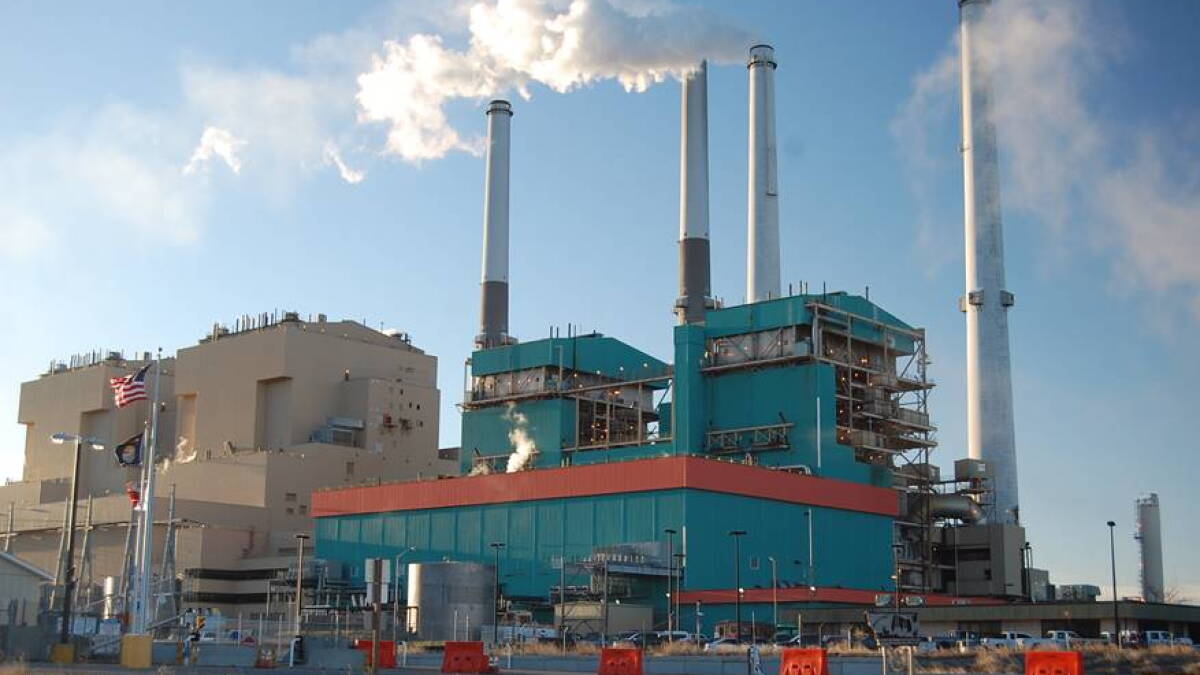
The Colstrip power plant — long controversial, long subsidized, long defended as “necessary” — is now being positioned as the battery pack for a digital gold rush. NorthWestern Energy, which already owns a significant share of Colstrip and acquired even more in early 2026, is reportedly in discussions with 11 data center companies about supplying them power in Montana and South Dakota.
Eleven.
And we’re supposed to just smile and clap because someone said the magic word: “jobs.”
Let’s Translate What This Really Means
Data centers don’t run on fairy dust. They consume enormous, continuous, 24/7 electricity loads. Not seasonal. Not flexible. Constant.
If these facilities land here, vast quantities of coal will likely be burned at Colstrip to meet that demand. That means:
- More coal extraction
- More emissions
- More water consumption
- More long-term environmental liabilities
- More grid strain
And potentially — let’s be honest — higher rates for Montanans if infrastructure upgrades and capacity expansions are socialized while profits are privatized.
We’ve seen this movie before.
The Pattern Is Always the Same
- Promise “investment.”
- Downplay environmental cost.
- Keep contract details murky.
- Tell locals they’re “anti-growth” if they ask questions.
Environmental groups are asking the Montana Public Service Commission to require disclosure of these agreements.
That’s not radical.
That’s basic governance.
If you are about to restructure the electrical backbone of an entire region to power industrial-scale server farms, the public deserves to know:
- Who is coming?
- How much power are they demanding?
- Who pays for transmission upgrades?
- What are the rate impacts?
- What guarantees exist if they pull out in ten years?
Transparency is not extremism. It is the bare minimum in a constitutional republic.
Montana Is Not a Corporate Colony
I believe in private enterprise.
I believe in free markets.
I believe in energy independence.
But I do not believe in backroom utility arrangements that gamble with Montana’s long-term stability to serve multinational tech interests.
We fight tooth and nail to protect ranchers, small farmers, water rights, hunting access, and local sovereignty — and then we’re expected to quietly accept industrial-scale energy consumption that could reshape our grid?
That’s not consistency.
That’s selective outrage.
What About Water?
Data centers require significant cooling. Cooling requires water.
Montana is not immune to drought cycles.
We are not immune to aquifer stress.
We are not immune to miscalculation.
Before we sign away infrastructure commitments that last decades, someone needs to answer how much water will be consumed — and from where.
Not with glossy PR brochures.
With hard numbers.
“But It’s Good for the Economy”
Is it?
How many permanent jobs do modern data centers actually create relative to their power footprint?
Do they meaningfully diversify local economies — or do they simply create high-load customers that utilities can point to when justifying more generation?
And if Colstrip becomes even more dependent on servicing a handful of data giants, what happens if market conditions shift? Or if federal policy changes? Or if those companies relocate?
Montana taxpayers and ratepayers will still be here.
The corporations may not.
This Is About Self-Governance
Montanans understand resource extraction. We understand energy. We understand trade-offs.
What we don’t tolerate — at least historically — is being treated like an afterthought.
If we are going to burn more coal, stress more water, and reconfigure our grid, that conversation belongs in the open.
Not in quiet negotiations.
Not buried in technical filings.
Not framed as inevitable.
Ask the Hard Questions
This isn’t anti-tech.
It isn’t anti-growth.
It isn’t anti-business.
It is pro-accountability.
If this expansion truly benefits Montana families — show us the contracts. Show us the rate modeling. Show us the environmental impact projections. Show us the infrastructure cost allocations.
If it’s sound, it will stand up to scrutiny.
If it isn’t, the public deserves to know before Colstrip becomes the extension cord for Silicon Valley.
Montana is not a blank slate.
It is home.
And home should never be negotiated away in the dark.
Leave a Reply