-
Ask the Entomologist: Bug on my kitchen wall
“Is this a stink bug? Our house has a few of these, and they’re often walking on the walls. Why?”
Beginning the Mathematics of Secession
It takes no complex research to learn which part of the county pays the most taxes. The total market value and taxable values are available here and the webpage is fairly easy to use. We may have to resort to the 2010 Census to find numbers that would allow us to calculate the tax burden on a per capita basis – but the data are never perfect for the potential secessionist. High School District 13 – Lincoln County High School – pretty well covers the north county (excepting the Yaak-Sylvanite area that is…
The Record Grizzly of 1953
The story that gave me the most confidence in my single-shot 22 rifle was the story of Bella Twin – the grandmother who took the largest grizzly of 1953 with her single-shot Cooey 22. She didn’t even have long rifle shells – she had a few 22 longs. They were cheaper back then. Her bolt action 22 wasn’t self-cocking – you had to work the bolt, put in the shell, close the bolt, cock the striker, and then you could shoot. I sold a few Cooeys back in the eighties – they were…
Our Communities by ACS Numbers
I listened to a comment about the median household income in Trego – and defaulted to my professional statement before retirement – “That’s American Community Survey data, and it’s not very good for small communities.” When I checked it, the $36,458 median household income for Trego translates as “somewhere between $27,478 and $45,438. ACS data has its uses, but it has to be used with a lot of caution. So here’s a little ACS data on our communities – you can check for margin of error (MOE) here. I wouldn’t recommend using any…
Caramel Corn
This delicious recipe is a yummy treat and always a favorite at gatherings or for a cozy afternoon at home. It is not quick to make but well worth the time put into it. Carmel Corn 1 c. butter 2 c. brown sugar 1 c. light corn syrup 1/2 tsp. salt Bring to a boil over medium heat Simmer 5 minutes. Remove from heat and add: 1 tsp vanilla 1/2 tsp baking soda Pour over six quarts of popped popcorn…using an air popper works best (I fill a large roaster and separate the…
The Not So Perfect Game Camera, a Surprise
An opportunity to capture pictures of scavengers on a carcass presented itself. I placed two cameras overlooking the carcass. I had hoped the bears would find this substantial food source. If not, maybe I would have pictures of coyotes or foxes. I had 65 videos, some as long as 4 minutes of ravens, a lot of ravens. It is gruesome and repetitive to watch ravens feast on a carcass. Finally, the eagles show up. It is still gruesome to watch eagles on a carcass. But on the video, there was a surprise. A…
Irish Democracy
I started looking for a definition of “Irish Democracy.” Found all sorts of descriptions of government in the Republic of Ireland – but nothing that described the unorganized ignoring of laws that lack popular support. The term “Irish democracy” refers to uncoordinated, wide-spread civil disobedience. An example is a sign in the window requiring face masks by order of Governor Bullock – and once you’re inside, you’re the only one masked. I started into a store, pulling my mask on. The guy in a Stetson alongside me was humming “Desperados waiting for a…
-
The Montana Supreme Court has ruled that 49 of Montana’s 56 counties didn’t levy high enough school taxes this year. Lincoln County is part of the 49 – so I’m guessing that they’ll have to be demanding more in the second tax payment. The state wanted 95 mills, but the 49 counties levied 77.9 mills – so my guess is that particular levy is going to increase by 17.1 mills come Spring.
Glancing at my tax bill, the school levies total 173.460 – so a 17.1 mill increase will increase the tax bill by awfully close to ten percent. Since the payment date on the first installment is the end of the month, I’m guessing that the County Treasurer is going to be getting it all in the second installment. Fortunately, the tax bill separates the school levies – they’re in the upper right hand corner – so you can calculate how much extra you’re going to owe. Just take ten percent of the total school levy, add it in, and you’ll be close enough for all practical purposes. For me, it’s somewhere around $90 . . . your costs will differ.
As I look at the tax bill, a short half of my tax bill is school taxes – somewhere around $900 this year. I’m guessing that raising the tax bill for school equalization funding will make it harder to pass special levies or bonds for new buildings.
I think back to those days between the tunnel, the railroad relocation, and Montana’s new constitution. In 1966, the miles of transcontinental railroad in the Trego school district increased greatly – I recall the school board calculating that, because there were so many miles of railroad in the tax base, Trego would be a rich district no matter what. The new constitution changed the terms, and Bozeman attorney James Goetz took the case to the state supreme court. When the legal dust had settled, equalization occurred, and Trego (and the high school district 13) were equalized down in terms of tax receipts.
Equalization is probably a good thing – but in those days between railroad relocation and constitutionally mandated equalization, taxes raised in school districts 13 and 53 went to the local schools instead of Helena for redistribution.
-
The US murder rate has been rising again – What we know about the increase in U.S. murders in 2020 | Pew Research Center provides some basic data:
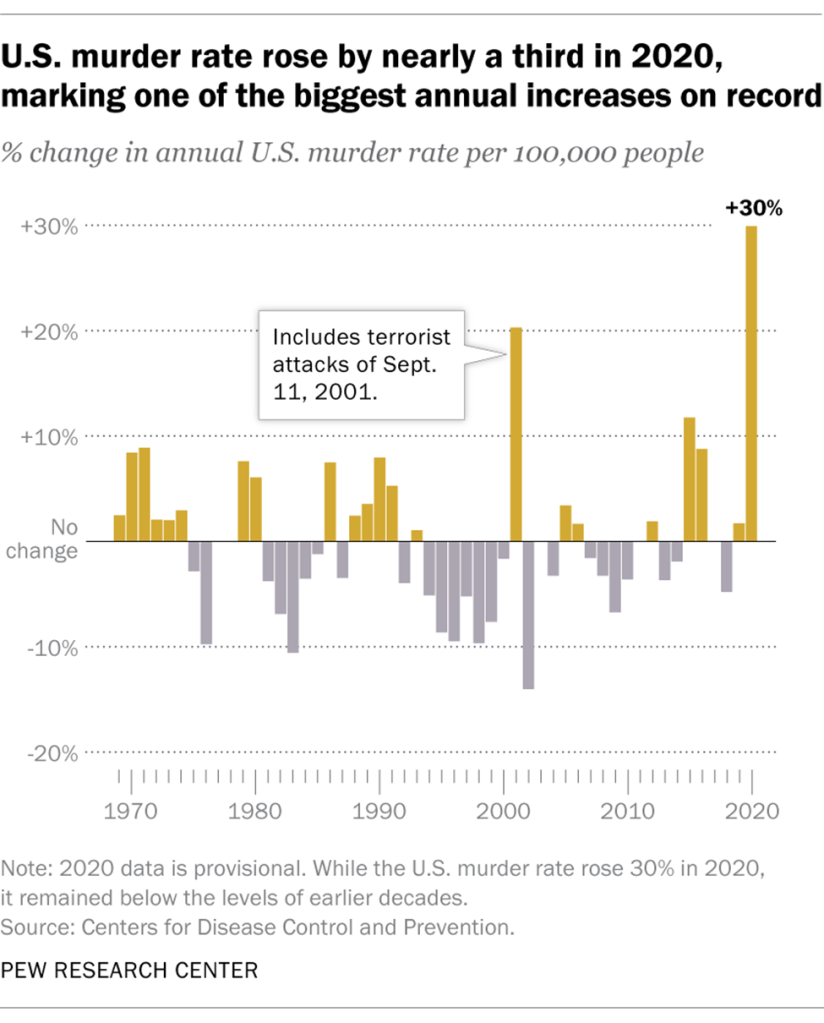
The increases are continuing into 2023. Still, viewing any topic in isolation can skew one’s perspective. For example, the US 2020 murder rate was 7.8 per 100,000 people, while the suicide rate was 13.5 (per 100,000). Drug overdoses came in at 27.1. PEW also points out that the clearance rate dropped from 61% to 54% in 2020. Their entire article is worth reading – go ahead and click on it – I’ll wait.
The US fatality rate for automobiles (2021) was 12.9 – higher than the murder rate, and just a touch less than the suicide rate. Still, it varies – in Montana, it was 21.6. In New Mexico, it was 22.7. Rural states tend to have higher traffic fatalities – distance to care and less traveled roads tend to make accidents less forgiving.
-
It’s that time of the year again. Trego’s Annual Christmas Bazaar will take place at the Community Hall starting on Friday, December 1st and wrapping up around 3 pm on Sunday. Folks wishing to take part in this weekend’s christmas shopping from home should consider the shopping online with the Historical Village. Bazaars will be taking place throughout the area -The Tobacco Valley News publishes a guide to what’s happening when.
Previous Years:
It’s Bazaar Season Again
Trego’s Annual Christmas Bazaar wrapped up this weekend- and it’s only one among many. A busy weekend! Additionally, the Riverwalk Memorial Luminary Walk and tree lighting took place in Eureka on Friday. The Tobacco Valley News provided the usual guide to the holiday bazaars, with dates, times and locations (much needed, as there were quite…
Annual Trego Christmas Bazaar
If the Bazaar had fewer crafters than in previous, it wasn’t obvious. Things were spread out and elegantly displayed as ever. There were old favorites, of the usual sort -a raffle quilt, baked goods, scarves, hats and mittens, baby blankets and little booties, some jewelry and a variety of elegant ornaments. Pottery -mugs, as well…
Historical Village Christmas Bazaar Online
Last year, the Village Christmas Bazaar went online, and this year it returns in online format. The store is through the website Square, which takes about 3% of the transaction as a fee. The offerings are similar: aprons and baby quilts, scrubbies, catnip mice, scarves, kitchen towels, face masks, potholders, holiday wreathes, earrings, coasters and…
-
Dozens of US adolescents are dying from drug overdoses every month − an expert on substance use unpacks the grim numbers with 3 charts

Drug-induced deaths are another reason to frequently check in on your adolescent’s mental health. DigitalVision/Getty Images Ty Schepis, Texas State University
Drug overdose deaths in the United States continue to rise.
Overdoses claimed more than 112,000 American lives from May 2022 to May 2023, according to the Centers for Disease Control and Prevention, a 37% increase compared with the 12-month period ending in May 2020.
The vast majority of those who died were adults. But drug overdoses are killing young Americans in unprecedented numbers: The monthly total rose from 31 in July 2019 to 87 in May 2021, the period with the most recent data.
As a scholar of substance use who focuses on patterns that vary between age groups, I’m struck by how adolescents’ overdose deaths differ from adults’ in terms of gender, race and ethnicity and the drugs causing these fatalities.
These differences mean that the groups considered to be at high risk and the strategies needed to prevent overdoses in adolescents should not be the same as for adults.
Who is dying?
When the CDC examined data for Americans 10 to 19 years old, it found that, as is the case for adults, most adolescents dying from drug overdoes are male. However, the share of girls among these fatalities is larger than the share of women.
More than twice as many boys who are tweens or teens are dying of a drug overdose for every girl in that age group.
Among adults, three men die of a drug overdose for every two women.
The share of fatal overdoses of white, non-Hispanic adolescents is vastly greater than for their nonwhite peers – more so than for adults.
Fentanyl’s often to blame
Another difference is what’s causing these fatal overdoses.
Among adults, those who use more than one drug are more likely to die from an overdose than those who use a single drug. The most common combinations are fentanyl with another opioid, like a prescription medication, and fentanyl with a stimulant, like cocaine or methamphetamine.
Fentanyl on its own is the key culprit in adolescent overdoses. For teens, 84% of fatal overdoses involved fentanyl, and 56% of all overdoses involved only fentanyl.
This is consistent with my team’s research indicating that rates of prescription opioid misuse fell from 2015 to 2019 in both adolescents and young adults. It also squares with other data that shows deaths from heroin-involved overdoses have declined in recent years.
Fentanyl is among the most potent opioids available. It’s estimated to be roughly 100 times more potent than morphine – a very strong opioid typically used in hospital settings. Teens and tweens usually have little tolerance to opioids because they often have not been exposed to them before, and fentanyl’s high potency makes them more likely to overdose.
Many adolescents accidentally take fentanyl when they ingest counterfeit pills that they believe are prescription opioids or stimulants, or other illicit drugs that are laced with the drug.
This unintentional use can make an overdose even more likely, because people who are unaware they are taking fentanyl are less likely to have the overdose-reversal medication naloxone or fentanyl test strips on hand.
In 67% of adolescent overdose deaths, a bystander was present who could have intervened. Naloxone was administered in less than half of cases where a bystander was present.
Little to no prior drug history
Only 1 in 10 teens and tweens who died from a drug overdose had a history of treatment for a substance use problem, and only 1 in 7 had ever experienced a prior nonfatal overdose. Adolescents who fatally overdose do not necessarily show the warning signs generally expected beforehand, such as problems with alcohol or other drugs or prior substance use treatment.
This pattern underscores the importance that all parents proactively talk with their children about substance use by the time they are 12 years old.
Parents who express their disapproval of substance use tend to prevent or delay it in their kids. Having children who never use substances may be an unnecessary and unrealistic goal – after all, most adults drink alcohol at least occasionally.
However, parents can emphasize that their child’s brain is changing rapidly and significantly and that not using drugs or alcohol while young helps promote healthy development.
What parents can do
Having naloxone available can also be important. It prevents fentanyl and other opioids from causing an overdose by blocking access to opioid receptors in the brain. This potentially lifesaving drug is easy to use, but the cost of the over-the-counter version, which can exceed $50 for two doses, makes it out of reach for some of the people who need it most.
Think of naloxone like car insurance: You don’t want to use it, but it’s important to have in case something goes wrong.
Even if your child never tries an illicit drug, they may be able to intervene and save a friend who overdoses. Everyone should know the signs of an opioid overdose – they include shallow or no breathing, problems staying conscious, and cold, clammy skin – and be ready to intervene when they see someone of any age who appears to be experiencing one.
Finally, more than 4 in 10 adolescents who died from an overdose had a history of mental health conditions. That’s consistent with research from my colleagues and me linking poorer mental health and opioid misuse in adolescents.
There’s also a strong link between mental health conditions and drug overdoses among adults.
For this reason and many others, such as the rising rates of adolescent depression, I recommend that all adults – whether caregivers or other people in an adolescent’s life – check in on their mental health regularly and recommend or seek treatment for any concerns as early as possible.
Ty Schepis, Professor of Psychology, Texas State University
This article is republished from The Conversation under a Creative Commons license. Read the original article.
-
I spotted an article in the Messenger – Prepare for a New, Less Affluent America – The Messenger It’s not “the end of the world as we know it”, but it does have some economic facts that tend toward a grim outlook:
“We are now staring at almost $34 trillion in debt — numbers so big that they begin to be meaningless. But in the real world, it requires the Treasury to fork over $659 billion in interest payments annually, almost twice as much interest as it paid just two years ago.
But wait, there’s more! Annual interest payments on the debt could reach $2 trillion by 2030 if interest rates remain elevated and we continue to spend way beyond our means. That would make national interest payments the country’s second largest budget expenditure, gobbling up 30% of all federal tax revenue.”
We’ve been waiting for this moment – the power of compound interest has been increasing our national debt longer than my 74 years. The article points out:
“Moody’s has lowered its assessment of the U.S. credit outlook from “stable” to “negative,” while Fitch and S&P have lowered their U.S. credit ratings.”
I realized as I read this that only a dozen years have passed since I included a Zimbabwe bank note in a retirement card for my department head – along with the comment, “So you can retire a millionaire.” The bill cost me $6.83 US. Zimbabwe demonetized that currency in September, 2015. I didn’t realize that our politicians were only a few years behind Zimbabwe’s pols.
This article The Federal Government Has Borrowed Trillions, But Who Owns All that Debt? provides a chart as to who owns our national debt. The article isn’t as current as yesterday, but, because of the power of compound interest is definitely worth reading. It points out that, in 1970, foreign holders held about 5% of the national debt. Now that number has risen to 30%.

-
The conversation was at least 50 years ago. I didn’t take notes. My shock was not just that Frank was denying the holocaust occurred, but that he was as bright a person as I have ever known. My takeaway from the conversation was simple – Frank’s parents had been government functionaries under the Nazis in the area that became Yugoslavia. After World War II, as former junior Nazis, they felt life would be far more healthy if they could leave their socialist republic and get to the US. They wound up in Anaconda, and Frank wound up sharing what they taught him one evening. I was shocked that anyone of my generation could believe that Hitler’s death camps, Zyklon B, and vast crematoria didn’t exist – but we tend to believe our parents, and Anaconda was not known for its large Jewish population.
I listened to the uproar when Canada’s Parliament gave a standing ovation to Yaroslav Hunka – a 98 year-old retiree who has served with other Ukrainians in the Nazi SS. World War II ended in 1945 – by my calculations, Hunka couldn’t have been 21. Still there is no doubt that he served in the SS. And I’m guessing the old man was more anti-Soviet than pro-Hitler . . . as a young Ukrainian, he would have known more about the Holodomor than the Holocaust. For those who might be unaware of the Holodomore, let me take this simple description from Wikipedia:
“The Holodomor,[a] also known as the Great Ukrainian Famine,[b] was a man-made famine in Soviet Ukraine from 1932 to 1933 that killed millions of Ukrainians. The Holodomor was part of the wider Soviet famine of 1930–1933 which affected the major grain-producing areas of the Soviet Union.
While scholars are in consensus that the cause of the famine was man-made, whether the Holodomor constitutes a genocide remains in dispute. Some historians conclude that the famine was deliberately engineered by Joseph Stalin to eliminate a Ukrainian independence movement.[c] Others suggest that the famine was primarily the consequence of rapid Soviet industrialisation and collectivization of agriculture. There is also the “fusion” position in the genocide debate where for example Andrea Graziosi argues the initial causes of the famine were an unintentional byproduct of the process of collectivization but once it set in, starvation was selectively weaponized against Ukrainians and the famine was “instrumentalized”.[9]
Ukraine was one of the largest grain-producing states in the USSR and was subject to unreasonably high grain quotas compared to the rest of the USSR.[d] This caused Ukraine to be hit particularly hard by the famine. Early estimates of the death toll by scholars and government officials vary greatly. A joint statement to the United Nations signed by 25 countries in 2003 declared that 7–10 million died.[e] However, current scholarship estimates a range significantly lower, with 3.5 to 5 million victims.[10] The famine’s widespread impact on Ukraine persists to this day.”
I have developed a bit of understanding for Frank’s belief in his father’s explanation. The second World War was a tough time for all concerned – but those countries between Russia and Germany had it tougher than the US. In eastern Europe you had two sides of unrepentant evil murdering about the same number of people through differing methods – Stalin and Hitler were essentially two sides of the same coin. Yaroslav Hunka’s decision to serve the Nazi machine is more understandable when you look at the Soviet treatment of Ukraine before Hitler’s armies moved east.
The recent fighting in Israel – the IDF against Hamas and Hezbollah – and the public rise in antisemitism is back to the same thing. People tend to believe what their parents tell them. Generations of Palestinians have come of age convinced of the evils in Judaism. I’ve known too many Jews, worked with too many, to buy that crap. Frankly, the representatives of the Banna family that I have known don’t measure up against my Jewish acquaintances. I never changed Frank’s mind – but I hope that someone in this last half-century did what I couldn’t.
-
Thanksgiving sides are delicious and can be nutritious − here’s the biochemistry of how to maximize the benefits
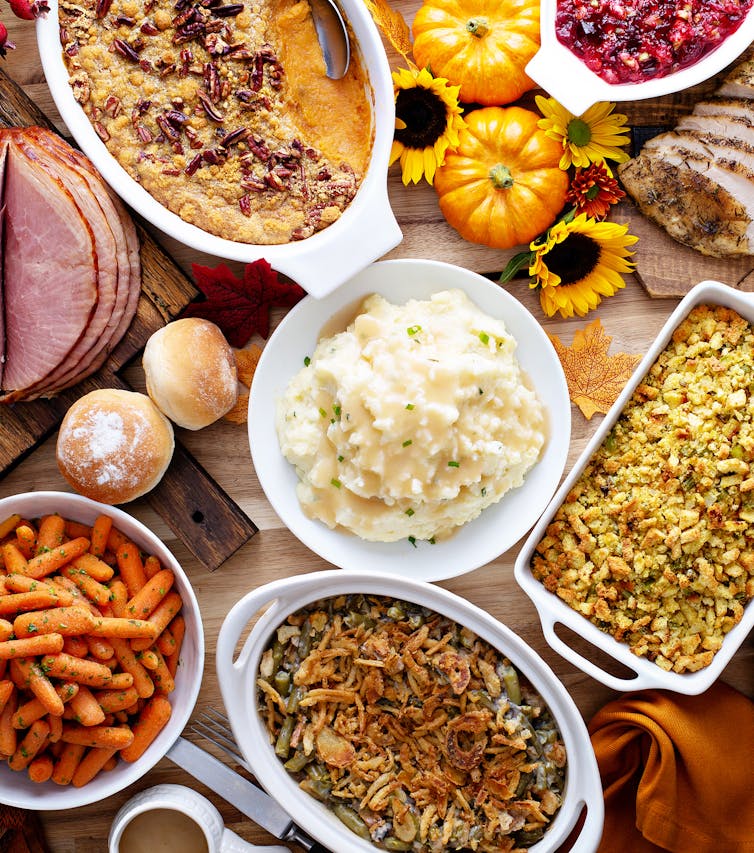
Side dishes made with colorful vegetables are a holiday staple for many. VeselovaElena/iStock via Getty Images Julie Pollock, University of Richmond
While people usually think first about the turkey or the ham during holiday meals, the sides are what help balance your plate. Colorful vegetables like green beans, collard greens, roasted carrots and mashed sweet potatoes are loaded with important micronutrients. But how you prepare them will help determine whether you get the most nutritional value out of each bite this holiday season.
As a biochemist, I know that food is made up of many chemical substances that are crucial for human growth and function. These chemical substances are called nutrients and can be divided into macronutrients, such as carbohydrates, fats and proteins, and micronutrients, such as vitamins and minerals.
Vegetables are full of micronutrients that human bodies need for metabolism – or converting food into energy – as well as to form and maintain cells and tissues. These micronutrients can be classified into three types: minerals, water-soluble vitamins and fat-soluble vitamins.
Minerals

The dietary minerals found in vegetables. Julie Pollock The greens – collard greens, kale, spinach, green beans – on your table are rich sources of the elements magnesium and calcium. Your body needs these two major minerals for muscle movement and bone health.
Magnesium is essential for many of the enzymes that play important roles in DNA synthesis and repair, as well as protein production and metabolic function. The cellular processes, especially accurate DNA synthesis, are important in protecting your body from developing diseases such as cancer. Calcium helps regulate the pH in your body, influences your metabolism and strengthens your nerve impulses. Nerve impulses are important for your senses and your memory.
Greens are also a source of iron – you were right, Popeye! – which is particularly important for the oxygen-binding proteins hemoglobin and myoglobin that transfer and store oxygen in your body, respectively. In addition, human bodies require iron for processes that help generate energy, protect against oxidative damage and make hormones.
Orange vegetables – carrots, pumpkin, sweet potatoes and squash – contain some levels of calcium and iron as well as high levels of potassium. Potassium is important for muscle movement, nerve impulses and maintaining low blood pressure. Although not a colorful vegetable, white potatoes also contain very high levels of potassium.
Water-soluble vitamins
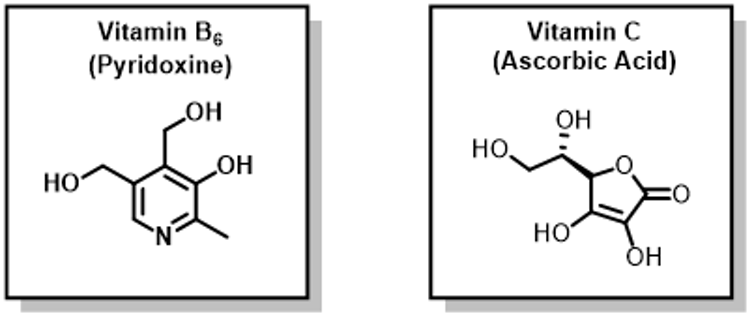
The structures of water-soluble vitamins found in vegetables. Julie Pollock Most green and orange vegetables contain high levels of vitamin C. Vitamin C is an important water-soluble vitamin because it acts as an antioxidant. Antioxidants protect your cells against certain types of damage caused by very reactive molecules known as free radicals.
In addition, vitamin C can enhance immune response and is essential for the synthesis of collagen – the major protein in your skin. Although taking large levels of vitamin C will not keep you from ever getting sick, a healthy amount can help your skin stay soft, help you avoid diseases like scurvy and potentially shorten the length of a cold.
The white potatoes on the table have high levels of vitamin B6, which is a component of enzymes essential for carbohydrate, fat and protein metabolism. It also helps create healthy blood cells and is important in the production of neurotransmitters such as serotonin and dopamine, which both regulate pleasure and happiness.
Fat-soluble vitamins
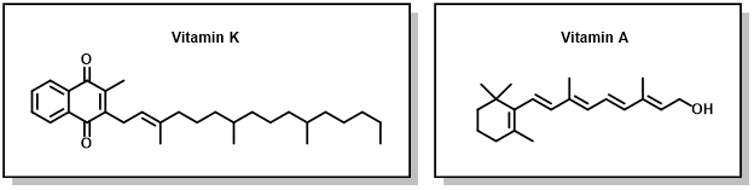
The structures of fat-soluble vitamins found in vegetables. Julie Pollock One of the most important vitamins you get from the green vegetables, especially leafy ones like kale, spinach, collards and Brussels sprouts, is vitamin K. Vitamin K is an essential component of enzymes that make proteins in bone and proteins that help clot blood after injuries.
Vitamin A is another important fat-soluble vitamin found in spinach and orange vegetables. The source of vitamin A in vegetables is actually beta carotene, which gets broken into two molecules of active vitamin A after consumption. Vitamin A is essential to vision as well as cell differentiation, reproduction, bone health and immune system function.
Absorption of micronutrients
Consuming vegetables that contain micronutrients is very important, but just as important is your body’s ability to absorb the nutrients and transport them to the cells that need them. Macronutrients like carbohydrates, fats and proteins that primarily make up the food we eat are very efficiently absorbed into your bloodstream.
However, only 3%-10% of some micronutrients actually get distributed throughout your body. Other ingredients and factors in your food can moderate whether you absorb vitamins and minerals.
Therefore, it is important to prepare vegetables in a way that can enhance the body’s ability to absorb their essential vitamins and minerals.
One good example of this is iron – specifically, the iron in the food you consume. Heme iron, which is the form necessary for incorporation into your body, comes only from animal products and is the most easily absorbed.
The plant-based iron contained in green and orange vegetables, on the other hand, is not bound to a heme, and your body can’t absorb it as readily. Consuming vitamin C alongside vegetables can increase the uptake of nonheme iron. So, a squeeze of lemon or orange juice can not only enhance the flavor of your vegetables but the micronutrients you obtain from them.
Fat-soluble vitamins, like vitamin K and vitamin A, are best absorbed when the meal contains some dietary fat, which you can get from oil. This is particularly important for vitamin K because green vegetables are its primary dietary source. This is in contrast to the other minerals and vitamins discussed that can also be obtained from animals or legumes that contain some amounts of dietary fat already.
After consumption, vitamin K must be packaged with other fats in structures called micelles or lipoproteins that can move around in the bloodstream. That means that it’s a good idea to prepare your greens with some source of fat – olive oil, avocado oil, butter or even a little bacon grease.
So, if you’re staring at the southern style collard greens on your plate and wondering whether they’re as healthy as eating a raw green leaf, think about it in terms of the biochemistry. While raw greens provide you with plenty of fiber and minerals, they won’t help your vitamin K levels as greens cooked in oil will.
Enjoy your time around the holiday table. Load up your plate with everything you like to eat, and make sure to not go completely fat-free in order to help your body process and use all the micronutrients.
Julie Pollock, Associate Professor of Chemistry, University of Richmond
This article is republished from The Conversation under a Creative Commons license. Read the original article.
-
A few weeks ago, I wrote a summary of an academic paper describing the Fructose Survival Hypothesis. It’s a content heavy paper, with a lot of implications.
The easiest and shortest is that avoiding high fructose corn syrup is probably a very good idea. Slightly more nuanced, is that high quantities of fructose seem to put the body in survival mode, which is fine in the short term and harmful in the long term. As always, the dose makes the poison.
What does this “survival switch” do to you? Sort of puts your body in “bear gearing up for hibernation” mode:
- Makes you hungry (and you’ll have trouble getting full)
- Makes you more impulsive (binge eating has never been so appealing)
- Makes it easier to gain fat (and harder to lose it)
- Raises your blood pressure
- Causes insulin resistance
- Increases inflammation
The paper’s authors believed that long term activation of this survival switch would cause damage to the mitochondria, making many of the changes permanent. Short-term activation shouldn’t present a problem, and some changes can be expected to reverse themselves (especially if the damage is minor).
A more nuanced approach would be to avoid regular, habitual consumption of high amounts of fructose, but to acknowledge that the occasional indulgence is unlikely to cause permanent long term harm.
-
While Armistice Day had morphed into Veterans Day between the end of the second World War and the mid-fifties, ceremonies in my younger years continued the solemn tone of recognizing the end of the “War to End Wars.” My first school bus driver was a World War I veteran – gassed in the trenches, driving was a job he could still do. When I went to Trego in 1960, we had an acre of new playground, granted the school on a 99 year lease by Bill Opelt – another World War I veteran. I was, timewise, closer to those old veterans then than I am to the kid who went to school in the fifties and sixties.
As I watched Trego School’s Veteran’s Day ceremonies, I recognized the change – the solemnity of the Armistice (recognized on Martinmas) is a bit reduced. The kids take it with the same sincerity, but the majority of the adults no longer have the personal contacts. I don’t know when the last of the World War I veterans rejoined the fallen members of his unit. I remember the minutes of silence, and a lone old man’s simple toast “Absent Friends” with his coffee cup.
In Canada, it morphed from Armistice Day to Remembrance Day. The first World War was longer for them. Their war began on August 4, 1914, when the United Kingdom declared war. Canada lost nearly 60,000 men. The US entered the war on April 6, 1917 and had fewer combat deaths (disease brought US total losses to around 120,000). I recognized our late entry into that war when a Canadian friend went to France in 2016 for the commemoration at Ypres.
The religious formality of Martinmas – the soldier’s saint – and the huge losses to the nations who fought through the entire war – have maintained more of the solemnity. The US entered the first World War with it’s post-Civil war commemoration – Decoration Day. The war between the states, with 660,000 dead, gave our country the same taste Europe would encounter a half-century later. Decoration day became Memorial Day in 1971.





Want to tell us something or ask a question? Get in touch.

Recent Posts
- Recovery Time for a Retiree
- Venn Diagram and DSM
- When Castro Was Cool
- You Have To Beat Darwin Every Day
- Computer Repair by Mussolini
- Getting Alberta Oil to Market
- Parties On Economics
- Thus Spake Zarathustra – One More Time
- Suspenders
- You Haven’t Met All The People . . .
- Play Stupid Games, Win Stupid Prizes
- The Ballad of Lenin’s Tomb
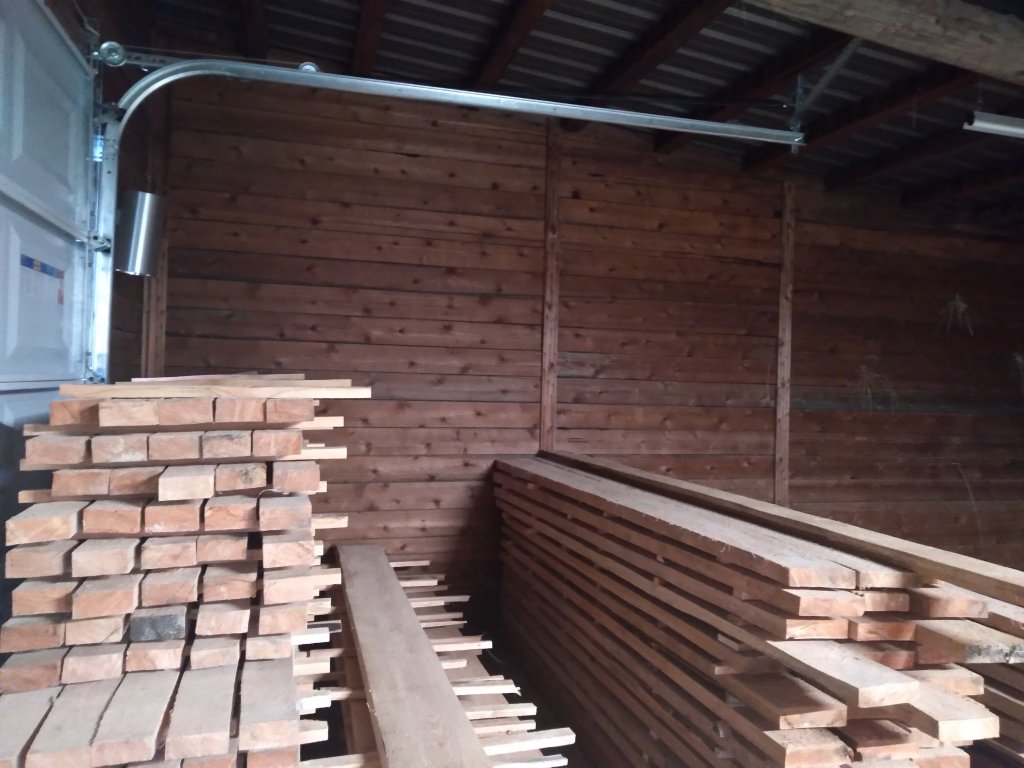
Rough Cut Lumber
Harvested as part of thinning to reduce fire danger.
$0.75 per board foot.
Call Mike (406-882-4835) or Sam (406-882-4597)
Popular Posts
Ask The Entomologist Bears Books Canada Census Community Decay Covid Covid-19 Data Deer Demography Education Elections Eureka Montana family Firearms Game Cameras Geese Government Guns History Inflation life Lincoln County Board of Health Lincoln County MT Lincoln Electric Cooperative Montana nature News Patches' Pieces Pest Control Politics Pond Recipe School School Board Snow Taxes travel Trego Trego Montana Trego School Weather Wildlife writing
 Trego's Mountain Ear